Why earning more doesn't always feel like more money
Earning more doesn't guarantee you'll feel richer. Learn why lifestyle inflation happens, how small spending habits quietly absorb pay rises.
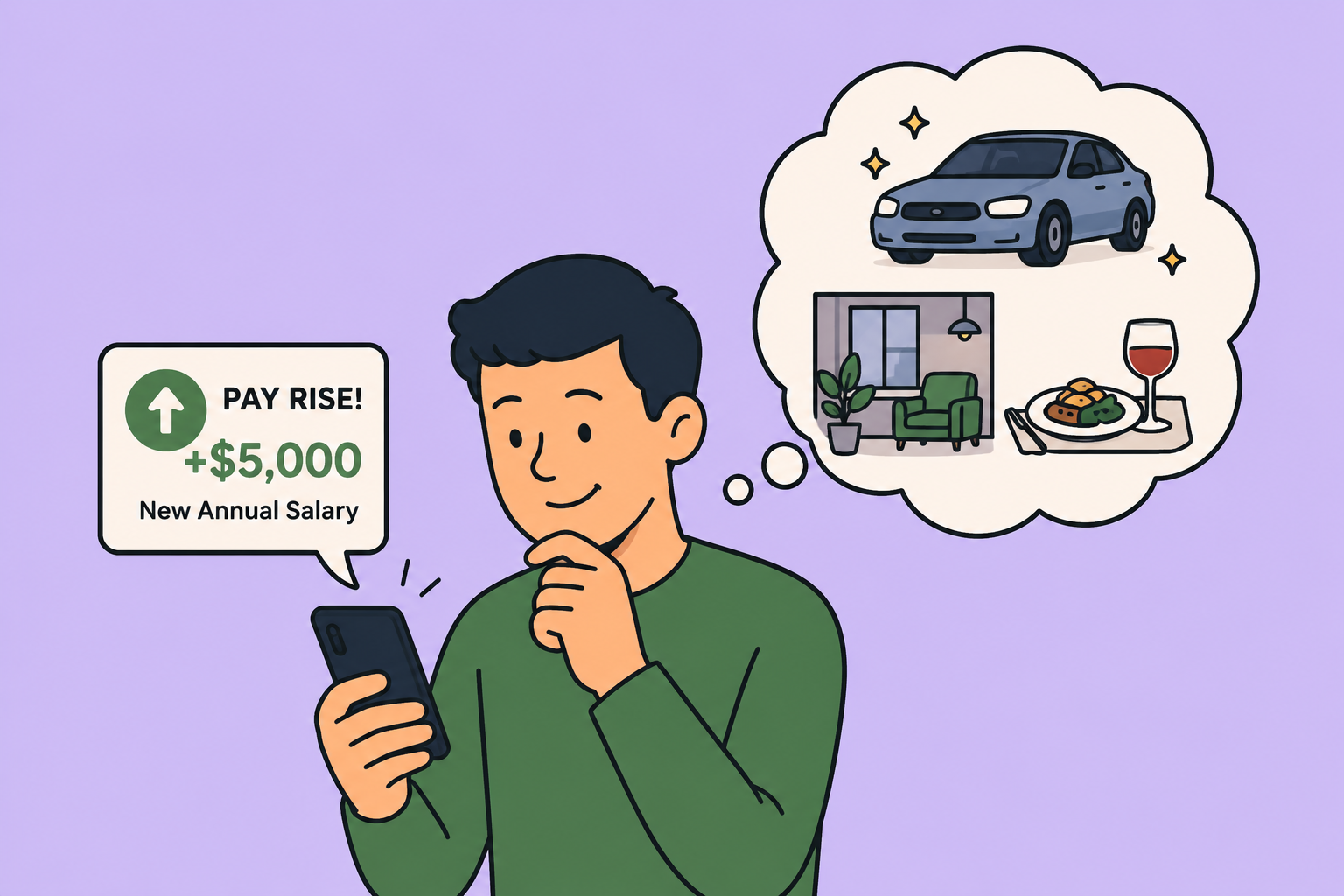
Most of us can remember our first meaningful pay rise.
Whether it came with a promotion, a new job or simply a few years of experience, it felt like a turning point. You probably imagined life becoming a little easier. Bills wouldn't feel quite so stressful, saving would finally become possible and maybe, for the first time, there would even be money left over at the end of the month.
For a while, that's exactly what happened.
Then, almost without noticing, life adjusted. You started ordering takeaway a little more often because work had become busier. Replacing your phone every few years suddenly seemed reasonable instead of extravagant. You upgraded your streaming services, moved into a nicer place or stopped thinking twice about buying the better bottle of wine at the supermarket. None of those decisions felt irresponsible. In fact, many of them genuinely made life more enjoyable.
Yet one day you opened your banking app and found yourself wondering something that surprises almost everyone.
"I'm earning more than I ever have… so why doesn't it feel like it?"
The answer isn't usually that you've become bad with money.
It's that you've become human.
We get used to better remarkably quickly
One of the most fascinating things about our brains is how quickly they adapt.
This is evident as many people are still living pay cheque to pay cheque regardless of their income levels. In the United States, around 75–80% of households earning under US$50,000 report living paycheck to paycheck, but so do around 60–65% of those earning US$50,000–100,000, 45–50% earning over US$100,000, and even 30–40% of households earning more than US$200,000. This highlights that financial stress is often driven by spending patterns, debt, and fixed expenses, not just income.
Why?
Think about the last thing you were genuinely excited to buy. Perhaps it was a new car, a bigger television or the phone you'd been saving for. For a while it felt exciting. You noticed it every day and enjoyed the feeling of finally having something you'd wanted for months.
Fast forward a year and it probably feels completely ordinary (see Hedonic Treadmill). The same thing happens with income.
The pay rise that once felt life-changing gradually becomes your normal salary. The financial breathing room that felt so noticeable slowly disappears as your expectations quietly adjust to match your new circumstances. Psychologists call this the hedonic treadmill or hedonic adaptation. The idea is simple: human beings are remarkably good at getting used to improvements, which means yesterday's luxury often becomes today's baseline.
It's not because we're greedy or ungrateful.
It's simply how our brains work.
Lifestyle inflation isn't one big decision
People often imagine lifestyle inflation as someone suddenly buying an expensive sports car after getting a promotion.
In reality, it almost never looks like that.
It usually arrives through dozens of tiny decisions that each seem perfectly reasonable on their own. Dinner gets delivered a little more often because you're tired after work. A couple more subscriptions appear because they're only a few dollars each. You start catching Ubers instead of taking public transport because it's quicker. You move into a nicer apartment because you've worked hard and can finally afford it.
None of those decisions is necessarily a mistake.
In fact, some of them are exactly what money is for.
The challenge is that they happen gradually. Looking back, it's difficult to point to a single purchase that changed your finances. Instead, your lifestyle quietly expands around your income until the extra money you once thought would transform your finances has already been absorbed into everyday life.
The finish line hasn't disappeared.
It's simply moved.
More money should give you more choice
This is where I think personal finance often gets the conversation wrong.
Lifestyle inflation is usually described as something to avoid, as though the only responsible thing to do with a pay rise is invest every extra dollar and continue living exactly as you did before.
That doesn't sound like much of a reward for working hard.
Money is supposed to improve your life. If earning more allows you to move closer to work, replace the car that's constantly breaking down, spend more time with your family or finally take the holiday you've been dreaming about, those aren't financial failures. They're exactly the kind of choices many people work towards.
The real question isn't whether your lifestyle should improve.
It's whether you decided how it improved.
There's a world of difference between consciously deciding to spend more on the things that genuinely matter to you and allowing every extra dollar to disappear simply because your habits changed without you noticing.
The hardest part is noticing the change
Gradual change is incredibly difficult to see while you're living it.
Ask someone if they bought a house this year and they'll answer immediately. Ask whether they're spending 40% more on takeaway than they were two years ago or whether subscriptions have quietly become one of their biggest monthly expenses, and most people simply won't know.
Not because they don't care.
Because that's not how our brains work.
We remember big decisions.
We rarely notice the hundreds of small ones.
That's one of the reasons we built Fireball.
Instead of simply showing a list of transactions, Fireball helps you step back and see the bigger picture. It highlights your top merchants, recurring payments and category trends so you can spot habits that would otherwise blend into everyday life. More importantly, it helps answer a question that's surprisingly difficult to answer on your own:
"How much can I actually spend this month without creating problems later?"
Because Fireball accounts for upcoming bills, subscriptions, regular transfers, savings goals and planned commitments, you're not just looking at what's left in your bank account. You're looking at what's genuinely safe to spend. That means a pay rise doesn't have to disappear unnoticed. You can decide where that extra money goes before your habits decide for you.
Every pay rise is an opportunity
One of the nicest things about earning more isn't being able to spend more.
It's having more options.
Perhaps this is the year you finally build your emergency fund. Maybe you start investing regularly for the first time. Maybe you decide to spend more on travel because creating memories matters more to you than retiring a few years earlier. Or perhaps you do a little of everything.
There's no universal right answer.
The important thing is making those decisions deliberately instead of drifting into them.
That's something we think about a lot at Fireball. Budgeting isn't just about keeping this month's spending under control. It's about connecting today's decisions with tomorrow's goals. When you can see how a little extra spending affects your savings, your debt, or even the timeline to financial independence, it's much easier to decide whether the trade-off is worth it. Sometimes it absolutely is. Other times you'll realise you'd rather put that money somewhere else.
Neither decision is wrong.
What's powerful is understanding the choice you're making.
Check whether you kept more
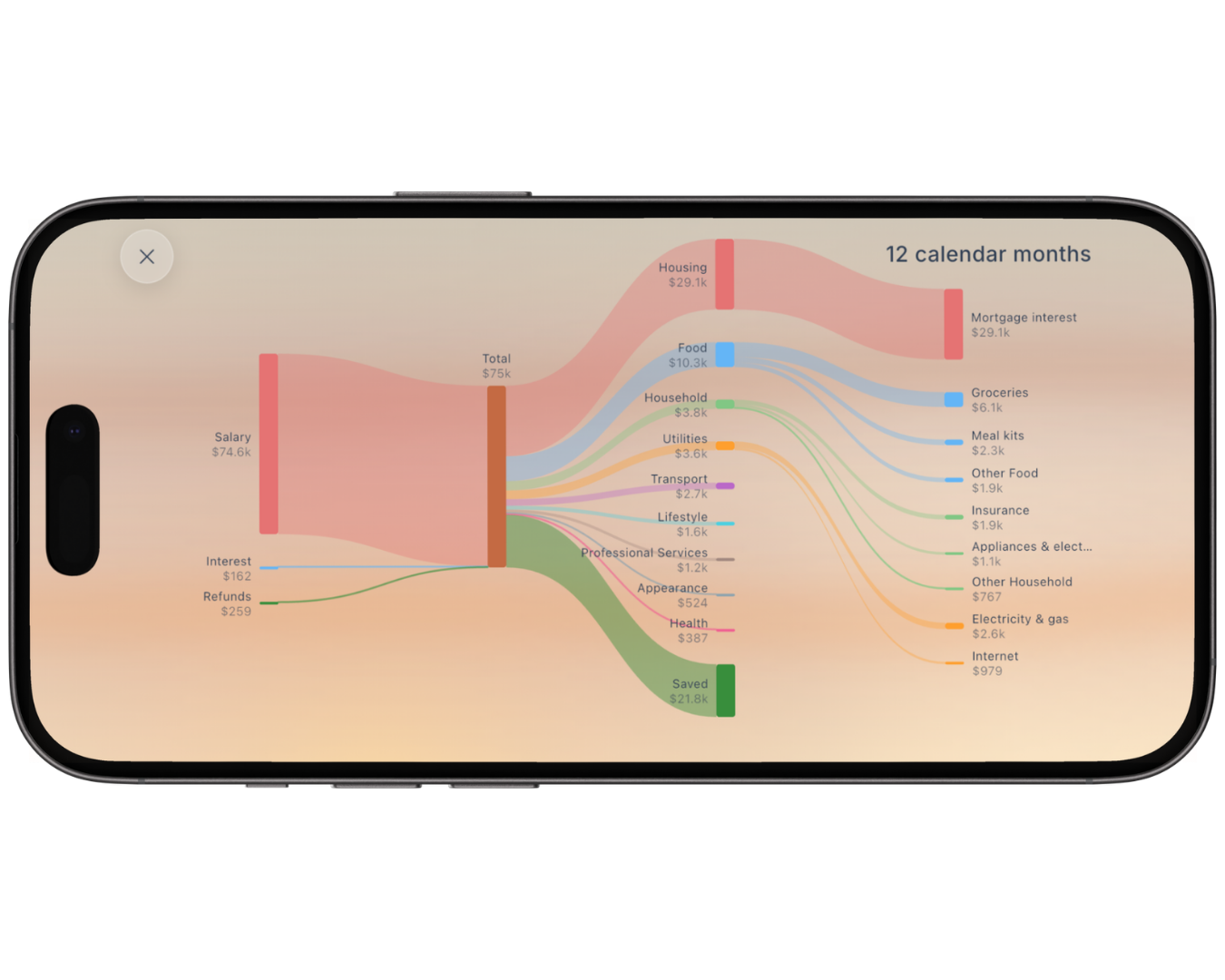
A pay rise can increase income without increasing the amount you keep. To see the difference, open Cash Savings Rate in Fireball Insights and compare the available months before and after the income change.
Cash Savings Rate uses recognised income and categorised expenses. If income rose but the percentage stayed flat or fell, spending may have grown alongside the pay rise. If both the amount kept and the rate improved, more of the extra income is supporting your future.
Open Cash Flow in Insights and compare several months before and after the income change. Cash Flow shows recognised income and categorised spending, helping you see whether spending increased alongside your pay. Categories and top merchants can then explain where the additional money went.
Do not judge the result from one unusual month. Compare several periods and check for annual bills, travel, or other planned costs that affected the number.
The goal isn't to earn more. It's to keep more of your freedom.
There's nothing wrong with wanting a better lifestyle.
There's nothing wrong with spending more as your income grows.
The danger isn't lifestyle inflation itself. It's waking up five years later wondering why earning twice as much hasn't given you the financial freedom you imagined.
The good news is that you don't have to choose between enjoying today and planning for tomorrow. You simply need to be intentional about where your extra income goes before it quietly disappears into a new version of normal.
Because the biggest benefit of earning more money isn't buying more things.
It's having more choice.
And when every spending decision is connected to both this month's budget and the future you're working towards, it's much easier to make those choices with confidence instead of guesswork.
Make the next money decision calmer
Turn what you just read into a plan you can track, adjust, and actually live with. Explore our free financial calculators or see how Fireball brings your finances together.