Zero-Based Budgeting: Give every dollar a purpose
Zero-based budgeting can help you take control of your money, but it doesn’t have to be rigid. Learn how Fireball makes it easier to plan, adjust and stay on track.
What is zero-based budgeting?
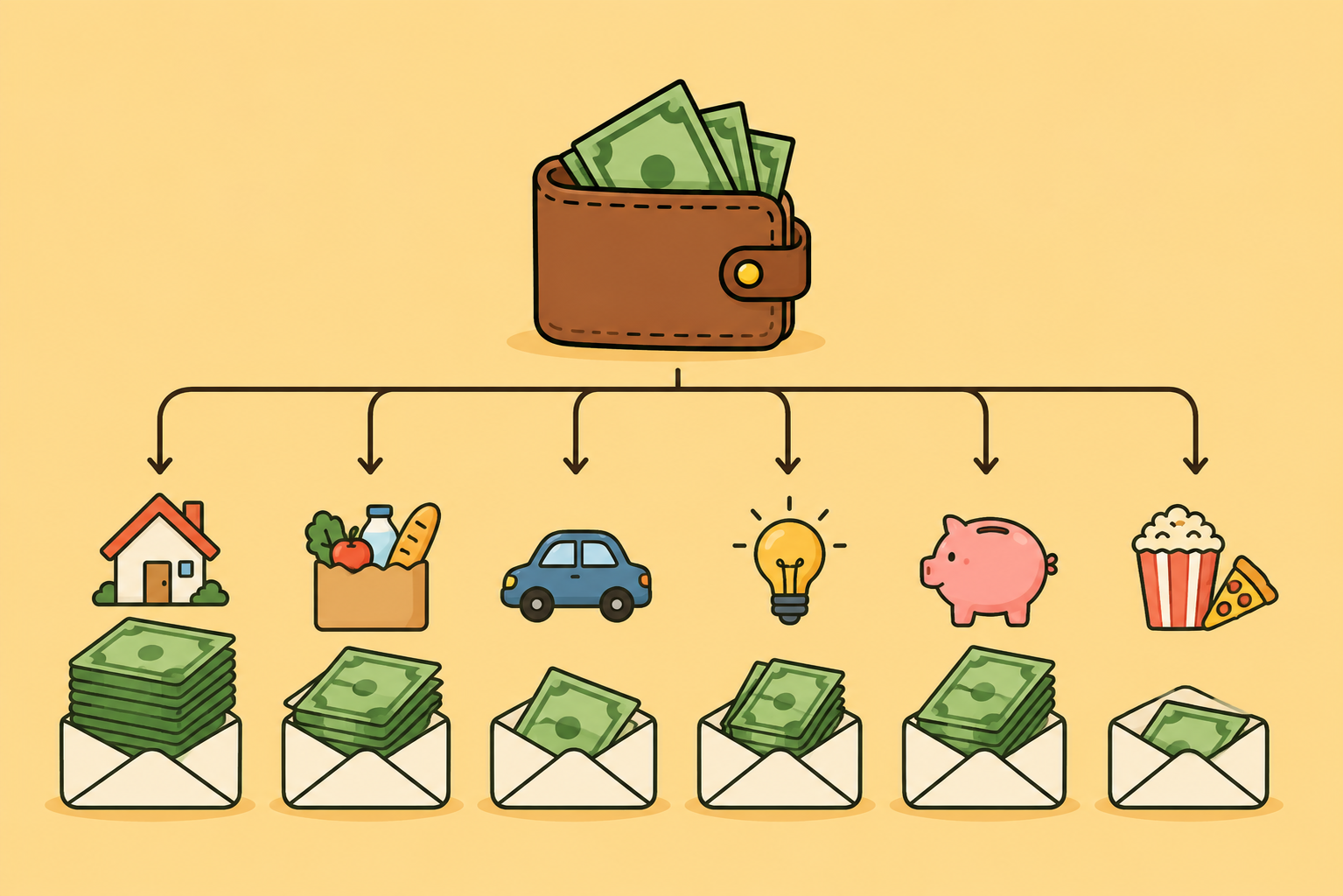
If you’ve been researching different ways to budget, you’ve probably come across the term zero-based budgeting. It sounds more complicated than it really is, but the idea is surprisingly straightforward. Instead of waiting until the end of the month to see what’s left over, you decide what every dollar of your income is going to do before you start spending it. By the time you’ve finished planning, every dollar has been allocated somewhere. Some will pay your bills, some will cover groceries and transport, some might go towards investing or paying off debt, and some could be set aside for future expenses. Nothing is left without a purpose.
Despite the name, zero-based budgeting doesn’t mean spending everything you earn. In fact, it’s often the opposite. Savings, investments and emergency funds are simply treated as planned expenses rather than whatever happens to be left over at the end of the month. The goal isn’t to reach a bank balance of zero. The goal is to make sure your money is working towards the things that matter most to you.
Is it the same as envelope budgeting?
Zero-based budgeting and envelope budgeting are closely related, which is why they’re often confused. The difference is that zero-based budgeting is a budgeting philosophy, while envelope budgeting is one way of putting that philosophy into practice.
With zero-based budgeting, every dollar is given a purpose before you start spending. Envelope budgeting takes that one step further by assigning those dollars to individual categories. As you spend money throughout the month, the amount available in each category decreases. If one category runs out, you either stop spending in that area or move money from another category.
Many people use the two methods together, but they don’t have to. You can use zero-based budgeting without strict spending envelopes, just as you can use categories without assigning every dollar before the month begins.
Why people like it
One of the biggest strengths of zero-based budgeting is that it encourages intentional decision making. Instead of wondering where your money disappeared to at the end of the month, you’re deciding where you want it to go before the month even begins. That often makes saving and investing much easier because they’re treated as priorities rather than whatever happens to be left over.
It also makes trade-offs much clearer. Spending more on restaurants this month might mean putting a little less towards a holiday. Buying a new phone could delay paying off a credit card. Neither decision is necessarily right or wrong, but you’re making those choices consciously instead of accidentally.
Where people often struggle
Where many people struggle isn’t with the budgeting method itself. It’s with expecting the budget they created on the first day of the month to remain perfect until the last. Real life rarely works like that. Someone invites you away for the weekend, the electricity bill is higher than expected, the car needs new tyres or a family birthday comes around that you’d forgotten about. Suddenly the carefully planned budget no longer matches what’s actually happening, and it’s easy to feel like you’ve failed.
Looking back, we’ve realised that’s the wrong way to think about budgeting. A budget is a plan, not a prediction. It’s there to help you make good decisions, not to perfectly forecast every expense you’ll have over the next thirty days. Some things simply can’t be predicted, and that’s okay. The important thing is being able to adapt without feeling like you have to throw the whole budget away and start again.
A good zero-based budget is flexible
One of the biggest misconceptions about zero-based budgeting is that once every dollar has been assigned a purpose, those decisions are locked in for the rest of the month. In reality, most people adjust their budget as life changes. You might decide to spend less on shopping because you’d rather go out for dinner with friends. You might move some money from entertainment to travel because an opportunity came up that wasn’t part of the original plan. The budget is still doing its job because every dollar continues to have a purpose. The purpose has simply changed.
Planning ahead also becomes much easier when you stop looking beyond just this month. Some of the biggest costs in life don’t happen regularly enough to appear in every monthly budget, but they happen often enough that they shouldn’t really be treated as surprises. Annual insurance, Christmas, birthdays, vehicle servicing and even the occasional visit to the optometrist are all part of the long-term cost of living. Looking back over the previous twelve months often reveals these patterns, making it much easier to gradually save towards them instead of scrambling to find the money when the bill arrives.
Of course, there will always be genuine surprises that nobody could have predicted. Your washing machine breaks, your pet needs emergency surgery or your car develops a problem that couldn’t have been anticipated. That’s why we think every budget, regardless of the method you choose, should leave some room to breathe. Whether that’s an emergency fund, a small monthly buffer or simply being comfortable moving money between categories, flexibility is what keeps a budget useful when life doesn’t go according to plan.
How Fireball approaches zero-based budgeting
In Fireball, Zero-Based Budgeting is available as part of Category Budgeting. If you like giving every dollar a purpose, you can allocate your available income across your categories until every dollar has a job. Unlike a spreadsheet, though, your budget isn’t fixed once you’ve finished. If your priorities change during the month, you can easily move money between categories without rebuilding your entire budget. The goal isn’t to create a perfect plan on day one. It’s to make sure your budget continues to reflect the life you’re actually living.
Fireball also removes much of the guesswork involved in creating a budget. Instead of asking you to estimate every category from scratch, it learns from your spending history and suggests realistic starting amounts based on how you’ve actually been using your money. It can also identify larger recurring expenses from previous months and years, helping you gradually prepare for annual insurance, Christmas, vehicle servicing and other predictable costs before they arrive. Those expenses stop feeling like surprises because you’ve already been planning for them.
Is zero-based budgeting right for you?
Zero-based budgeting can be an excellent choice if you enjoy having a clear plan for your money and want to be intentional about where every dollar goes. It encourages you to prioritise savings and investing, makes spending decisions more deliberate and gives you a much better understanding of how you’re using your income.
At the same time, it isn’t the only way to budget. Some people prefer a simpler category budget, while others are happier managing a single monthly spending target. The best budgeting method isn’t necessarily the most detailed one. It’s the one you’ll still be using a year from now because it fits your lifestyle and helps you make confident financial decisions.
Whatever approach you choose, the principles remain the same. Plan for the expenses you know are coming, leave room for the ones you can’t predict, and don’t be afraid to adjust your budget as your priorities change. A budget isn’t there to make you feel guilty every time life gets in the way. It’s there to help you make better decisions with the money you’ve worked hard to earn and give you confidence that you’re making steady progress towards the future you want.
How to use zero-based budgeting in Fireball
Fireball gives you a simple way to put zero-based budgeting into practice.
Start by opening the Budget tab and choosing Category Budgeting. If you’re setting up your first budget, tap Set up category budgets, choose a weekly, fortnightly or monthly budget period, and confirm the income you want Fireball to use.
You can use Fireball’s income estimate, enter your own default monthly income or adjust the income for a particular period if it’s different because of a bonus, extra shifts or lower income.
Once you’re in your budget, use the + button in the top-right corner to add a category.
Start with the categories you actually spend money on, such as groceries, transport, bills, eating out, subscriptions or entertainment. Fireball will show categories from your recent spending history and, where there’s enough information, suggest a budget amount based on what you’ve spent before.
The suggestion is only a starting point. Tap the category to use the suggested amount, then edit the budget limit to whatever feels right for you. If the category you want isn’t shown, tap Category to browse the full list.
You don’t need to set up every category perfectly on the first day. Start with the areas you spend money on most often and add or adjust categories as you go.
After saving a category, tap its budget card whenever you want to make changes. You can edit the limit, review your spending and choose whether unused money should roll over.
To carry unspent money into the next period, turn on Roll over unspent. This can be useful for less frequent expenses such as car repairs, gifts, annual bills or home maintenance. Over time, the money you don’t spend can build up for when you need it.
Fireball also includes goal contributions, confirmed transfer commitments and savings target top-ups when it works out how much income is available to assign.
The Zero-based plan card helps you see how everything fits together:
- Balanced means your available income has been fully assigned.
- Planning means some money still needs a job.
- Overassigned means your category budgets are higher than the income available.
- Add income means Fireball needs an income amount before it can balance the plan.
You can expand Plan breakdown to see the details, including your income, planned reserves, available money and assigned categories.
The suggested amounts are there to save you time, not to tell you how to spend your money. Change them whenever your priorities change. A zero-based budget works best when it reflects the life you’re actually trying to live.
Make the next money decision calmer
Turn what you just read into a plan you can track, adjust, and actually live with. Explore our free financial calculators or see how Fireball brings your finances together.