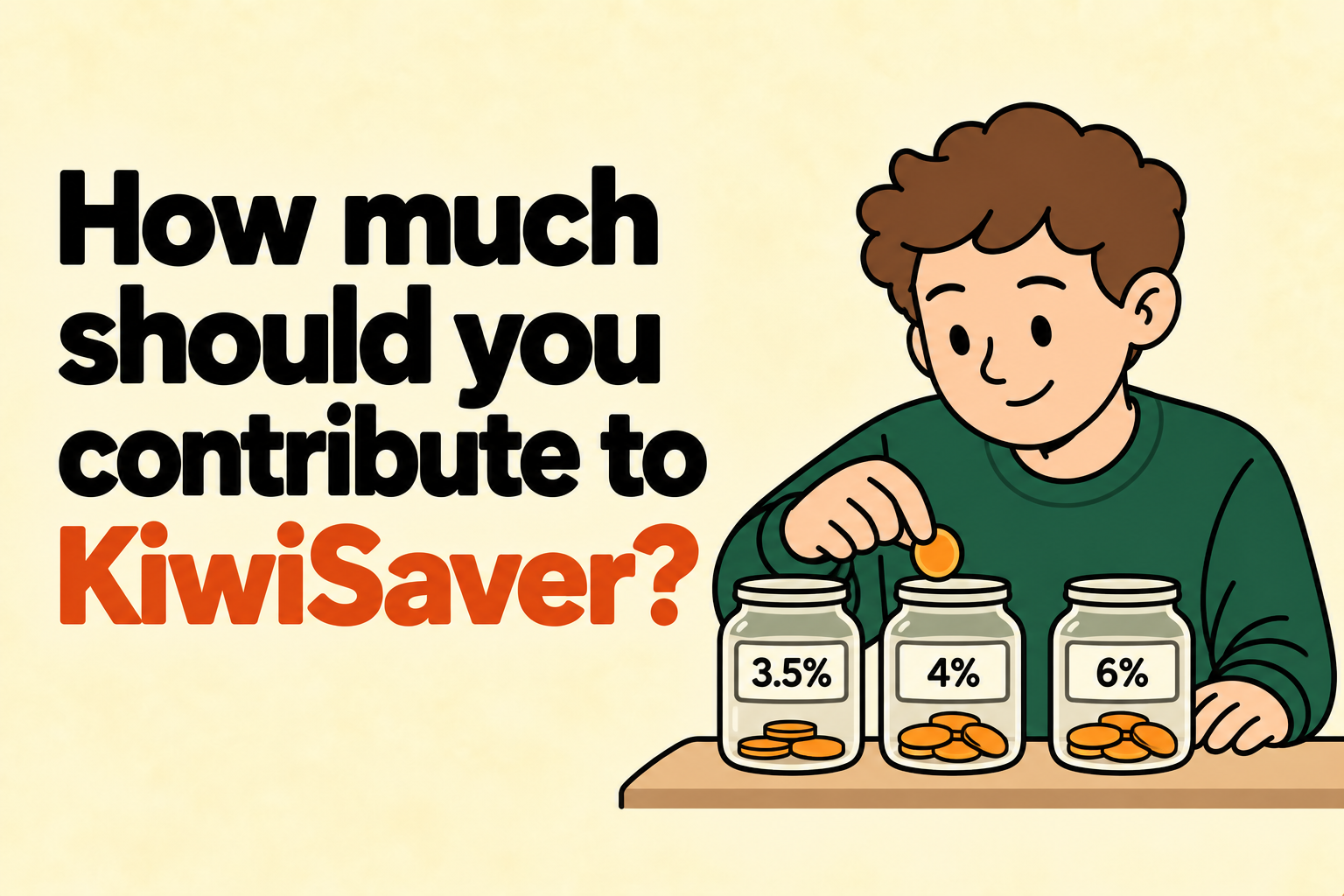
How much should I save each month?
Wondering how much you should save each month? The answer isn't a magic percentage. Learn how to build a realistic savings habit, set achievable goals and create a plan that fits your life.
The answer probably isn't what you've been told.
If there's one question almost everyone asks when they start taking their finances seriously, it's this: How much should I actually be saving? It seems like such a simple question, yet the internet somehow manages to make it incredibly complicated. Spend a few minutes searching and you'll find percentages flying around everywhere. Save 10% of your income. No, make it 20%. Better yet, save half your income while you're young so you can retire early. Before long, it starts to feel as though there's a magic number everyone else knows except you.
The reality is much less exciting, but it's also much more reassuring. There isn't a single savings percentage that's right for everyone because there isn't a single version of life. Someone who's renting in Auckland, paying off student loans and trying to get through rising grocery bills simply isn't in the same position as someone who's living at home, earning a similar salary and has very few expenses. They're both making financial decisions, but they're solving completely different problems. Judging them against the same percentage doesn't really make sense.
That's why we think the better question isn't, "How much should everyone save?" It's "How much can I realistically save every month while still living the life I have today?" The answer might not sound impressive, and that's perfectly okay. Financial progress has never been about finding the perfect percentage. It's about building habits that last.
Saving isn't about numbers. It's about priorities.
When people talk about saving money, they often treat it as though it's a goal in itself. Save more. Grow your savings account. Reach the next milestone. But money is really just a tool. The reason you're saving matters far more than the number sitting in your account.
For some people, the priority is building an emergency fund because they've never had the security of knowing they could handle an unexpected bill. Others are putting money aside for a house deposit, planning a year of travel or investing for retirement. Those goals all require different amounts of money and different timeframes, which is why comparing your savings to somebody else's rarely tells the full story.
It's easy to forget that when social media is full of people sharing their savings rates or celebrating financial milestones. What you don't see are their incomes, their living costs or the sacrifices they made to get there. Comparing your chapter three to someone else's chapter ten almost always leaves you feeling like you're behind, even when you're making solid progress.
So where should you actually begin?
If you're looking for a simple answer, most financial advisers will tell you that saving somewhere between 10% and 20% of your income is a healthy long-term goal. We think that's reasonable advice, but only if it's treated as a guide rather than a rule.
If you can comfortably save 20% while still paying your bills and enjoying life, that's fantastic. Keep doing it.
If saving 20% means skipping meals, saying no to every social event or feeling stressed every payday, it's probably the wrong target for you right now. A budget that makes you miserable isn't a budget you'll stick to for very long.
We'd much rather see someone consistently save 5% every month than aim for 25%, give up after six weeks and decide budgeting simply isn't for them. Personal finance isn't won by having one perfect month. It's won by quietly making good decisions over and over again.
The habit matters more than the amount
People often underestimate how powerful consistency really is.
Imagine two friends. One decides they'll save $50 every week, no matter what. The other waits until the end of each month to save "whatever's left over." They usually have good intentions, but somehow there's always a birthday, a sale, a weekend away or an unexpected expense that gets in the way.
Fast forward a few years and the first person has usually built a healthy savings account without feeling like they've done anything extraordinary. The second person is still waiting for the perfect month to begin.
That's because saving isn't really about willpower. It's about removing the decision altogether.
If you automate a transfer into your savings account every payday, you quickly stop thinking about it. The money leaves your account before you've had the chance to spend it, and your everyday spending naturally adjusts to what's left. It's one of those rare financial habits that gets easier with time rather than harder.
What if saving feels impossible right now?
This is probably the part that gets left out of most personal finance articles.
Sometimes there genuinely isn't much room to save.
Rent has gone up. Groceries are more expensive than they were a few years ago. Insurance, electricity and petrol all seem to cost more every time you look. If you're already stretching each pay cheque to cover everyday expenses, reading advice about saving 20% of your income can feel completely disconnected from reality.
If that's where you are, don't be too hard on yourself.
Your first goal might not be increasing your savings. It might simply be understanding where your money is going. That's often where the biggest improvements begin. Looking back through your spending can reveal subscriptions you no longer use, habits you didn't realise had become expensive or small purchases that have quietly grown over time. You don't need to cut out everything you enjoy. Often a few thoughtful changes are enough to create a little breathing room.
That's exactly why Fireball focuses on helping you understand your spending before asking you to change it. When you can clearly see your recurring payments and spending patterns, making better decisions becomes much easier than relying on guesswork. Being able to have a clear insight to your spending allows you to plan for the future.
As your income grows, let your savings grow too
One of the easiest mistakes to make is letting your lifestyle expand every time your income increases.
You finally get the pay rise you've been hoping for, and before long it disappears into nicer restaurants, a more expensive car, extra subscriptions or everyday spending that doesn't feel significant on its own. There's nothing wrong with enjoying the rewards of your hard work, but it's surprisingly easy for higher income to quietly become higher spending.
A simple habit that works well is saving part of every pay rise before you adjust your lifestyle. Even putting aside half of the increase means you're still taking home more money than before, while steadily building your savings without feeling like you're making sacrifices. Over time those small decisions can make a remarkable difference, and because you never became used to spending the extra money, you rarely feel like you're missing it.
Turn a savings target into a plan
A useful savings app should show more than the amount transferred into a savings account. A percentage becomes much more useful when you can compare it with what you actually keep.
Fireball's Cash Savings Rate uses recognised income and categorised expenses to show how much remained during a month. Transfers between your own accounts are not treated as new savings, so moving $500 into a savings account does not make the result look $500 better by itself.
Open Insights and choose Cash Savings Rate to see the available monthly result and trend. If the percentage is lower than you expected, review the income, expenses, and transfers behind it before changing your target. One unusual month does not mean the goal is wrong.
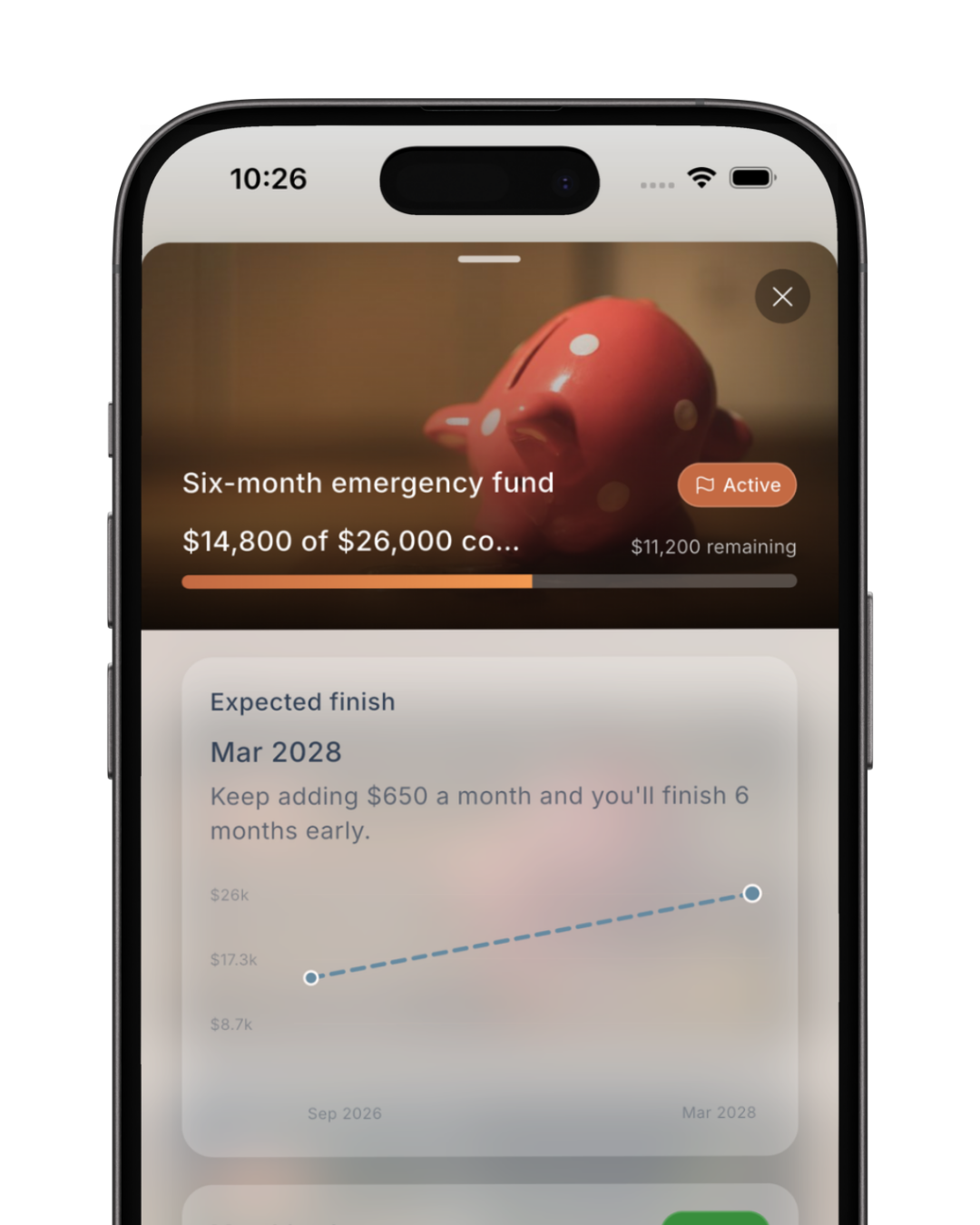
When you are saving for something specific, create a Save up goal. Add the target and date, then let Fireball suggest a monthly contribution or enter an amount that already feels realistic. The goal shows whether your current pace could reach the target.
If you use Flex Budgeting, you can also choose a target savings rate. Fireball accounts for that target when it calculates the amount available for flexible spending. As income changes, the Flex amount can adjust with it.
The target is still yours. Fireball gives you a way to compare the intention with real income and spending, then change the plan as your life changes.
Don't chase the perfect percentage
We think personal finance has become a little too obsessed with numbers.
The "right" savings rate. The "perfect" budget. The ideal investment return.
Those things have their place, but they're not what determines long-term success.
The people who build healthy finances aren't usually the ones following every rule perfectly. They're the people who found a system that fit their life, stuck with it through good months and bad, and made small improvements whenever they could.
If you can save something consistently, you're already moving in the right direction. As your circumstances change, your savings will change too. That's exactly how it should be.
Money isn't about hitting someone else's target. It's about creating enough freedom that your future decisions become easier than they are today. That's what saving really buys you, and it's worth far more than any percentage.
Make the next money decision calmer
Turn what you just read into a plan you can track, adjust, and actually live with. Explore our free financial calculators or see how Fireball brings your finances together.