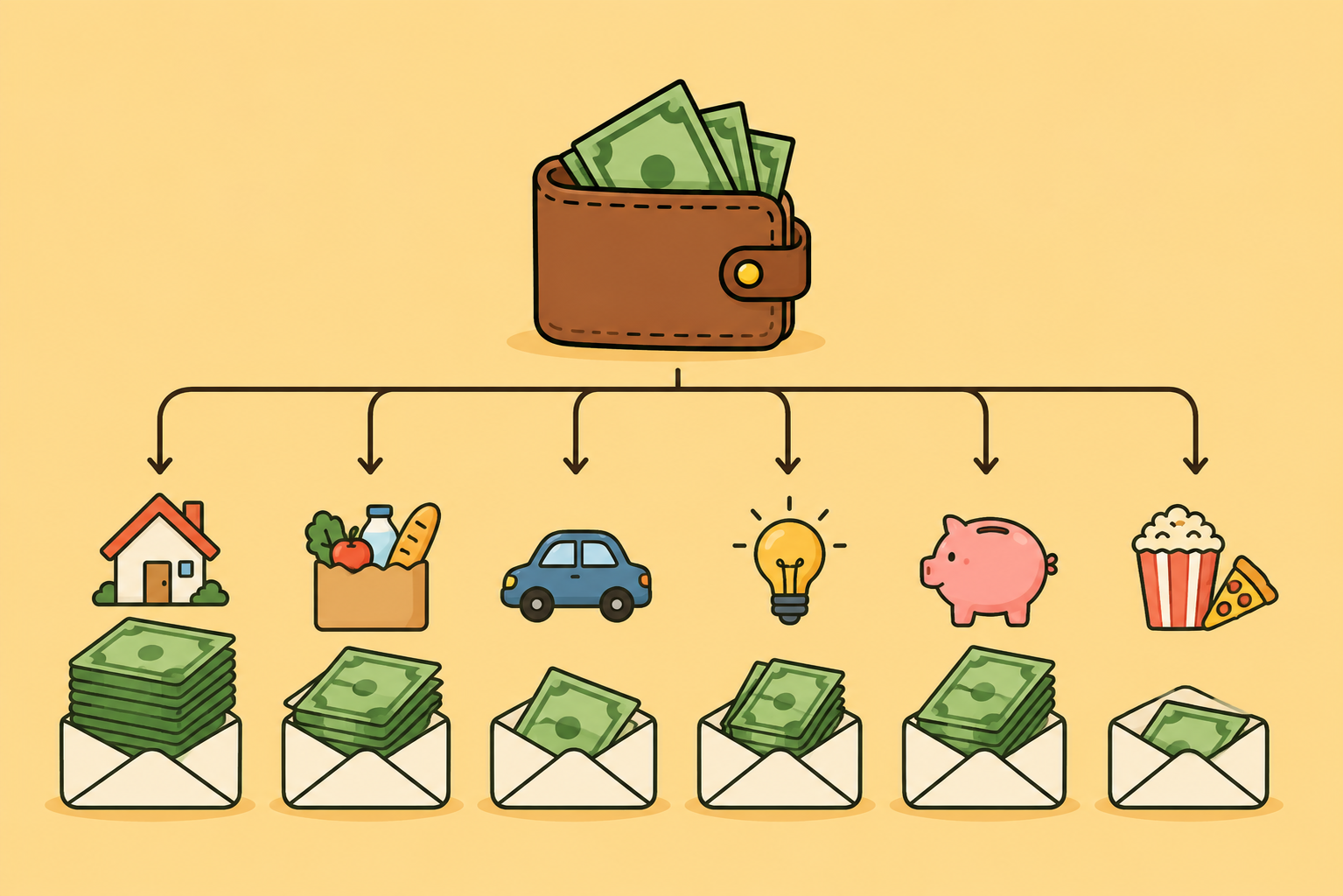
Single Budget vs Category Budgeting
Learn the difference between Single Budget and Category Budgeting, and discover which budgeting style best matches your spending habits and financial goals
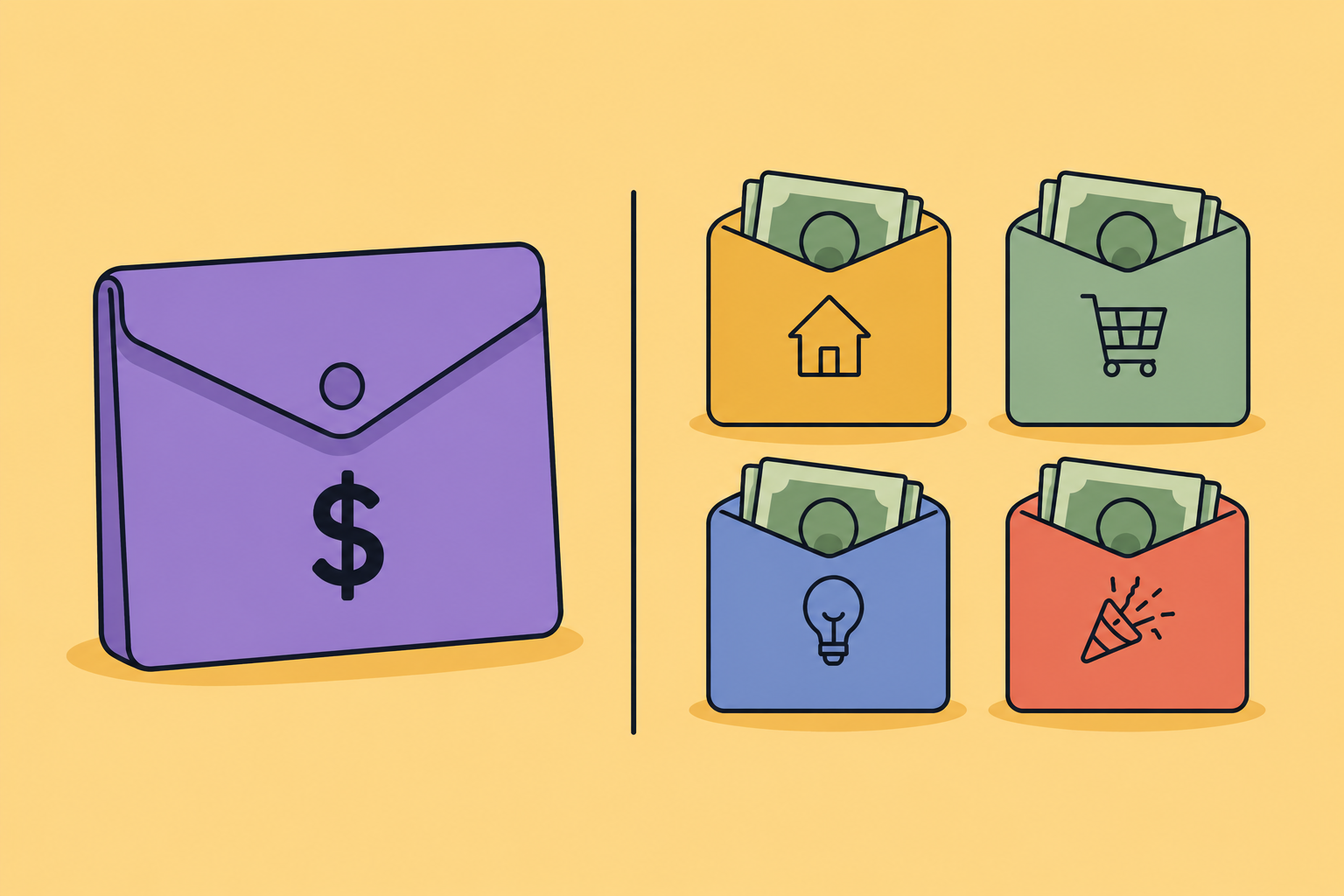
When creating a budget in Fireball, one of the first decisions you'll make is how you want to manage your spending.
Two popular approaches are Single Budget and Category Budgeting. Both help you stay on top of your finances, but they work in slightly different ways.
Let's take a look at how each one works and which might be the best fit for you.
Single Budget
Single Budget is the simplest way to budget.
Instead of creating separate budgets for different areas of spending, you set one overall spending target for your budget period.
For example, if you set a monthly budget of $3,000, every expense contributes to that total. It doesn't matter whether you spend more on groceries one month and less on entertainment, or the other way around. The goal is simply to stay within your overall budget.
Benefits
- Quick and easy to set up
- Flexible spending without category restrictions
- Less time spent managing budgets
- Simple to understand and maintain
Best For
- People who prefer a simple and flexible budgeting approach
- Users who don't want to manage multiple category limits
- Anyone who wants to focus on staying within a single budget target
- People looking for a quick and easy way to track spending
Category Budgeting
Category Budgeting gives you more visibility and control over your spending by assigning separate budgets to different categories.
For example:
- Food: $600
- Transport: $250
- Entertainment: $200
- Shopping: $300
Each category has its own budget limit, helping you understand where your money is going and making it easier to spot areas where you may be overspending.
Benefits
- Greater visibility into spending habits
- Better control over specific areas of spending
- Easier to identify overspending
- Supports more detailed financial planning
Best For
- People who like to budget by category
- Users who want a breakdown of their spending
- Anyone who prefers a more structured approach to budgeting
- People who want separate budgets for different areas of spending
- Anyone looking to reduce spending in a specific category
A Real-World Example
On our team, we use both budgeting styles.
One of us prefer a Single Budget because her spendings change from month to month. One month, she might spend more on clothing, while the next month it could be hobbies, travel, or dining out. Rather than setting limits for each category, she prefers the flexibility of managing one overall budget and adjusting her spending as her priorities change.
The other prefer Category Budgeting because he likes seeing exactly where his money is going, or he is trying to keep a closer eye on a particular category such as dining out, shopping, or subscriptions.
Neither approach is better than the other, they simply suit different spending habits and lifestyles.
What Fireball does after you choose
Fireball is a budgeting app that lets you choose how much detail you want. Whichever approach you select, it uses your posted, categorised transactions to show progress during the budget period.
With Single Budget, every included expense contributes to one total. This is helpful when you mainly want to know whether overall spending is under control. Fireball can use recent spending to give you a starting recommendation, but you decide the final limit.
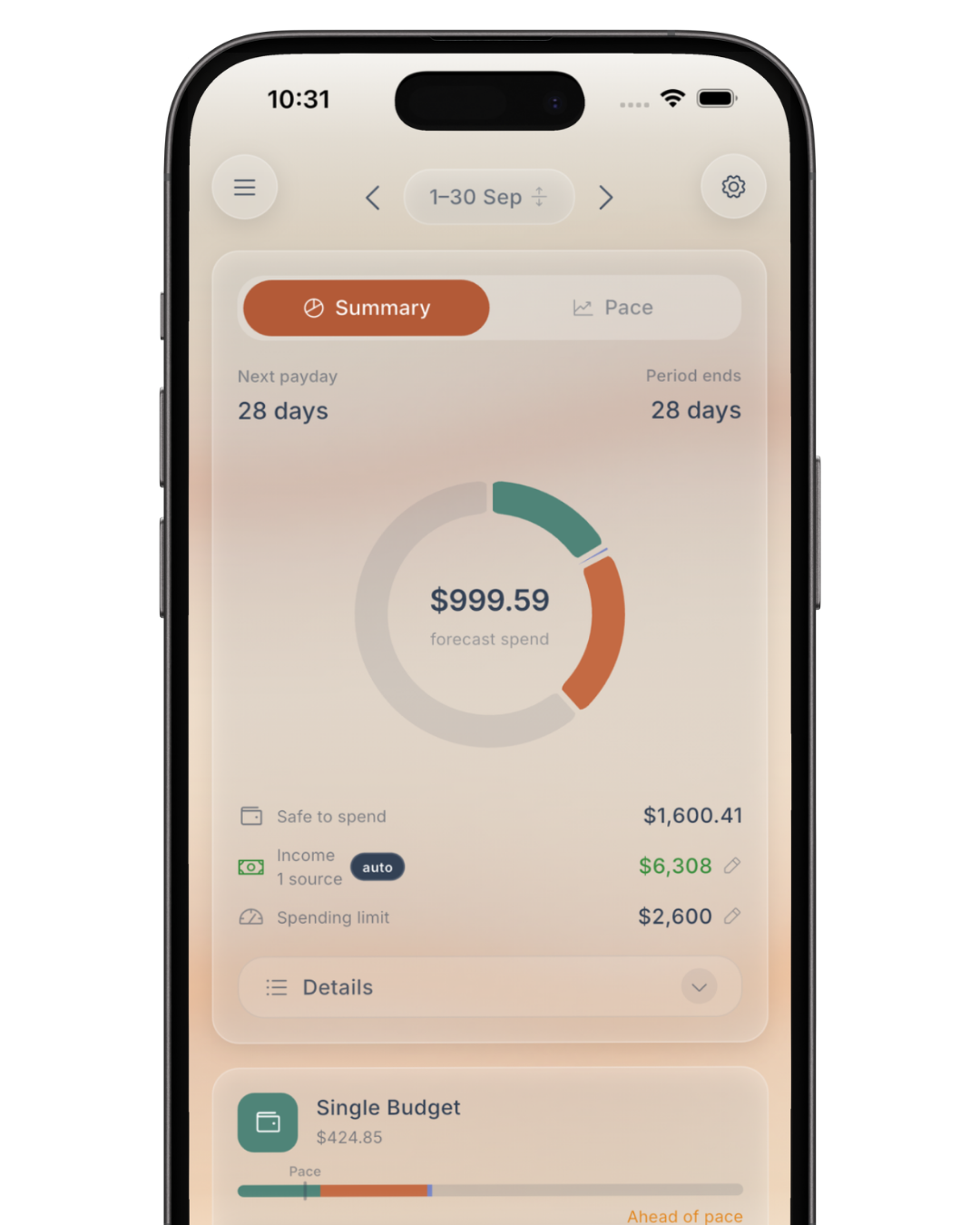
With Category Budgeting, each selected category receives its own limit. You can focus on the areas where a separate boundary is useful and leave other categories alone. If a less frequent cost needs to build over time, turn on Roll over unspent for that category so unused budget can carry into the next period.
Category Budgeting can also support a Zero based plan when you want every available dollar assigned across spending, goals, and confirmed commitments. If separate category limits feel too detailed but one total feels too broad, Flex Budgeting offers a middle option built around Fixed, Occasional, and Flexible spending.
You are not making a permanent choice. Start with the level of detail that feels manageable, then change methods when you understand your spending well enough to know what would help.
Which Should You Choose?
Not sure which one to pick? That's completely normal.
The truth is, you probably won't know which budgeting style suits you best until you've given it a go. Some people love the simplicity of a Single Budget, while others prefer the extra structure that comes with Category Budgeting.
The good news is that you're not locked into either option. Fireball lets you switch between budgeting styles whenever you like, so feel free to experiment and see what works best for you.
Start with the one that feels most natural. Use it for a few weeks, see how it fits your spending habits, and if it's not quite right, try the other approach.
Budgeting isn't about finding the perfect system—it's about finding a system that works for you. And whichever approach you choose, Fireball is here to help you stay on track.
Make the next money decision calmer
Turn what you just read into a plan you can track, adjust, and actually live with. Explore our free financial calculators or see how Fireball brings your finances together.