The beginner's guide to budgeting
New to budgeting? This guide will help you understand the basics, choose a budgeting method that suits you, and build habits that last.
Most people aren't bad with money. They just never learned how to manage it.
Nobody gets handed a manual when they receive their first pay cheque.
You start earning money, pay your bills, buy groceries, meet friends for dinner, maybe put a little aside if there's anything left, and repeat the process next month. For years, that's how many of us manage our finances.
Then life gets more expensive.
You start thinking about buying a home, travelling more, paying off debt or simply wondering why your bank balance never seems to reflect how hard you work. That's usually when people decide it's time to create a budget.
The problem is that budgeting has a terrible reputation.
For many people it brings to mind complicated spreadsheets, strict spending limits and giving up everything that makes life enjoyable. No wonder so many budgets last a few weeks before they're forgotten.
A good budget shouldn't feel like punishment. It should help you spend with confidence, save for the future and stop wondering where your money disappeared to at the end of every month.
What is a budget?
At its simplest, a budget is a plan for your money.
Instead of waiting until payday arrives and hoping there's something left over to save, you decide in advance where your income will go. Your bills are covered, your savings have a purpose, and you know how much you can comfortably spend without worrying about your bank balance.
That's all budgeting really is.
It isn't about saying no to coffee or never eating out again. It's about making conscious decisions instead of letting your money disappear without noticing.
Why do you need a budget?
A budget isn't about restricting yourself. It's about giving yourself more control.
When you know where your money is going, everyday decisions become less stressful. You stop wondering whether you can afford dinner out with friends, whether you'll have enough to pay next month's bills, or why your savings never seem to grow.
Research also shows that budgeting is about far more than just dollars and cents.
Around one in four New Zealanders report struggling to manage financially, 28% couldn’t handle a $500 emergency. 42% worry about making it from one pay to the next. While most people experiencing financial stress say it affects their mental wellbeing. Studies have also found that money management behaviours, such as budgeting, have one of the strongest influences on financial wellbeing regardless of how much someone earns.
In other words, budgeting isn't just about having more money. It's about feeling more confident with the money you already have.
This was exactly what inspired us to create Fireball, after many years of hard work and sacrifices we still felt like our goals were out of reach. Perplexed by where our money has gone, because we did not track our spendings.
How to create a budget
Work out your income
The total income comes from regular and irregular income.
Regular income is income that comes in on a predictable basis and have similar numbers from month to month. Such as paycheck from full time job, reliable business income, superannuation income and trust fund dispersals.
Irregular income is less predictable and can vary greatly from month to month. Examples like side hustle incomes, freelance incomes, stock dividends, bonuses etc.
If you use Fireball, your connected accounts automatically help you understand both your regular and irregular income, giving you a much clearer picture of how much money you have available to budget.
Understand your spending
Before changing anything, spend a little time looking at where your money has been going.
If you're using Fireball, start with your home page. It highlights biggest spending categories giving you a quick snapshot of where your money is actually going. Insights from the sidebar shows the top merchants in spending and income vs expenses. Activity page shows recurring and fixed spendings. You might discover you're spending more on takeaway than you realised, or notice a subscription you've completely forgotten about.
If you're not using Fireball yet, you can do the same thing by scrolling through the last month or two of transactions in your banking app. The goal isn't to judge yourself or feel guilty about anything you find. It's simply to understand your spending habits.
Most people already know about the big expenses like rent or mortgage payments. It's the smaller purchases that are easy to overlook. The extra supermarket trips, streaming subscriptions, takeaway dinners or impulse purchases that don't seem like much individually but add up over time. You could be surprised to find some random big purchases you forgot about and many small purchases that didn’t seem significant at that time.
Looking back gives you a realistic starting point. You can't build a budget around the life you wish you had. You need to build one around the life you're actually living.
Build a budget that fits your life
One of the biggest mistakes people make is trying to copy someone else's budget.
The budget that works for your friend, a finance influencer or someone on Reddit may not work for you.
Your priorities are different.
Some people want to save aggressively for a house deposit. Others would rather travel every year. Some people value eating out with friends, while others are happy cooking at home if it means retiring earlier.
A good budget reflects your own goals rather than someone else's.
As long as your essential expenses are covered, you're saving consistently and your spending matches what matters to you, you're heading in the right direction.
Choose a budgeting method you'll actually stick with
There's no shortage of budgeting methods, but they all aim to do the same thing: help you spend your money intentionally.
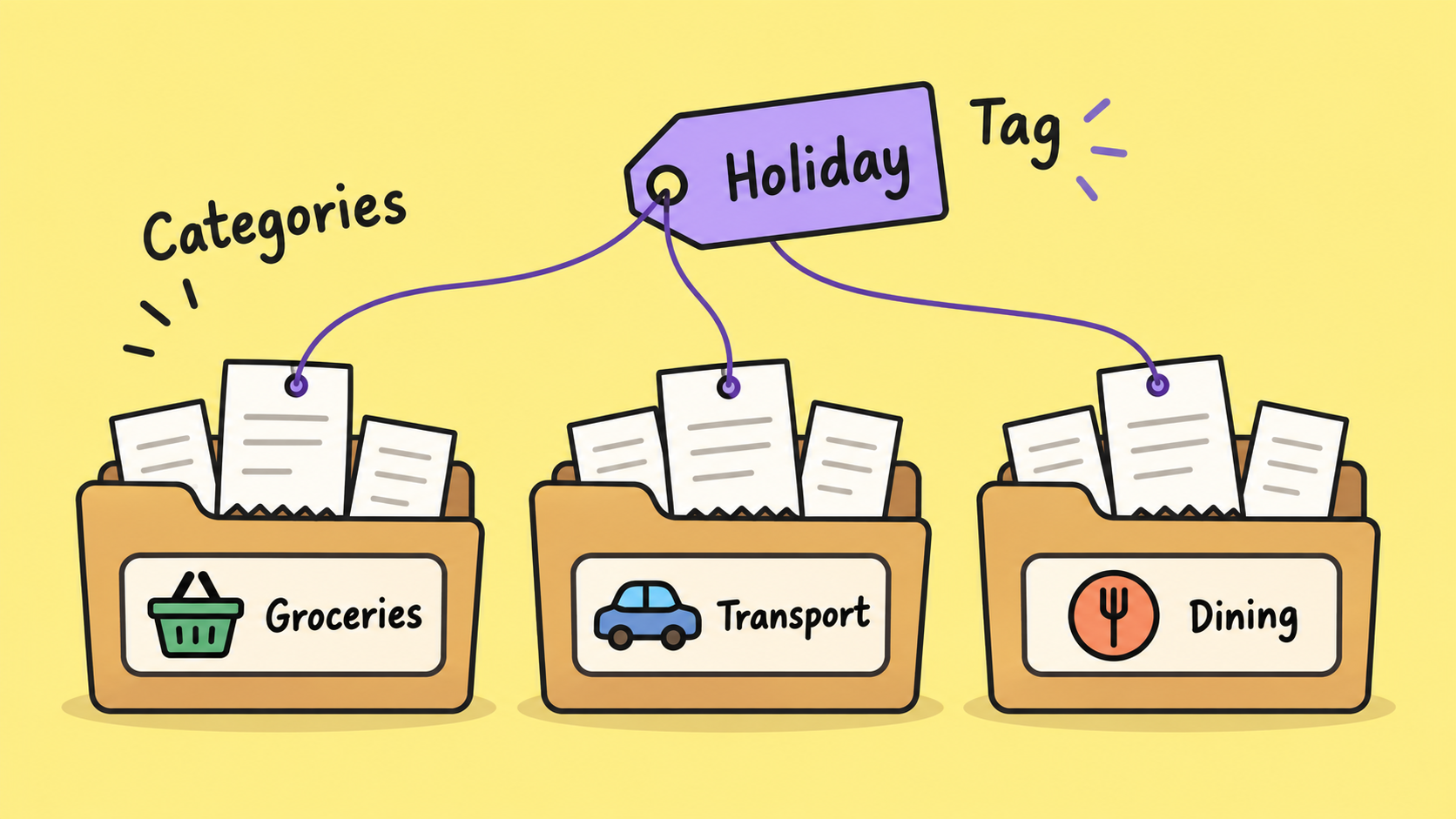
Some people prefer a traditional category budget where they allocate money to groceries, shopping, dining out and entertainment. It provides detailed insight into where your money goes each month.
Others prefer a more flexible approach with one overall spending budget instead of strict category limits. If you spend a little more on one area, you simply spend less somewhere else. For many people this feels much more natural because life doesn't neatly fit into categories.
Some people enjoy zero-based budgeting, where every dollar is given a purpose before the month begins.
There isn't a single "best" method. The right budget is the one you still enjoy using six months from now.
If you're unsure which approach suits you, we've compared the most common budgeting methods in our guides:
Saving is a habit, not a number
One of the first questions people ask after creating a budget is how much they should save each month.
It's a sensible question, but there's no universal answer.
Your ideal savings rate depends on your income, expenses and goals. Someone saving for a home deposit will approach their budget differently from someone focused on paying off debt or building an emergency fund.
Rather than aiming for a perfect percentage, focus on building consistency. Even small amounts saved regularly can make a meaningful difference over time.
If you'd like more guidance, we've put together a detailed article on how much you should save each month, including common savings targets and how to decide what's realistic for your situation.
Don't forget your emergency fund
Before thinking about investing or other long-term financial goals, it's worth setting aside money for life's unexpected expenses.
Emergency funds aren't exciting, but they're incredibly valuable.
A broken washing machine, unexpected dental bill or sudden loss of income can quickly become stressful if you don't have savings to fall back on.
Exactly how much you need depends on your circumstances. Someone with a secure salary may feel comfortable with a smaller emergency fund than someone who's self-employed or has a family relying on their income.
We've covered this in more detail in our guide to how much your emergency fund should be, including how much to aim for, where to keep it and what should (and shouldn't) count as an emergency.
Remember that your budget will change
Your first budget isn't meant to be perfect.
Your income will change. Your expenses will change. Your priorities will change.
The important thing isn't sticking to the exact same numbers forever. It's checking in regularly and adjusting your budget as your life changes.
Some months you'll spend more than expected. Other months you'll save more than you planned. That's completely normal.
A budget isn't something you create once and never look at again. It's simply a tool that helps you make better decisions over time.
Start your first budget in Fireball
If you are looking for a budgeting app in New Zealand, the number of features can make it difficult to know where to begin. You do not need to understand every part of Fireball before creating a useful first budget.
- Connect the supported accounts you want included in your financial picture.
- Review the income and spending Fireball has recognised. Correct a category only when it does not match what actually happened.
- Start with Single Budget if separate category limits feel overwhelming. It gives you one overall spending limit for the period of tracking.
- Use the recommendation as a starting point, then choose a limit you can understand and maintain.
- Check the budget during the period and adjust it when your real life changes.
Once the simple version makes sense, use Insights to learn more. Categories can show which types of income and spending account for the largest amounts. Merchants can show where money is regularly going. Recurring activity can help you review repeated bills and income.
You can move to Flex Budgeting or Category Budgeting later if you want more detail. Starting simply is not avoiding the work. It is giving yourself enough time to learn what your money actually does before creating a complicated plan.
Where to go from here
If you've never budgeted before, don't overcomplicate it.
Start by understanding where your money goes today. Build a simple plan that reflects your own priorities. Save what you comfortably can, and don't worry if your budget isn't perfect straight away.
The goal isn't perfection.
It's feeling more confident about your money every month.
Make the next money decision calmer
Turn what you just read into a plan you can track, adjust, and actually live with. Explore our free financial calculators or see how Fireball brings your finances together.