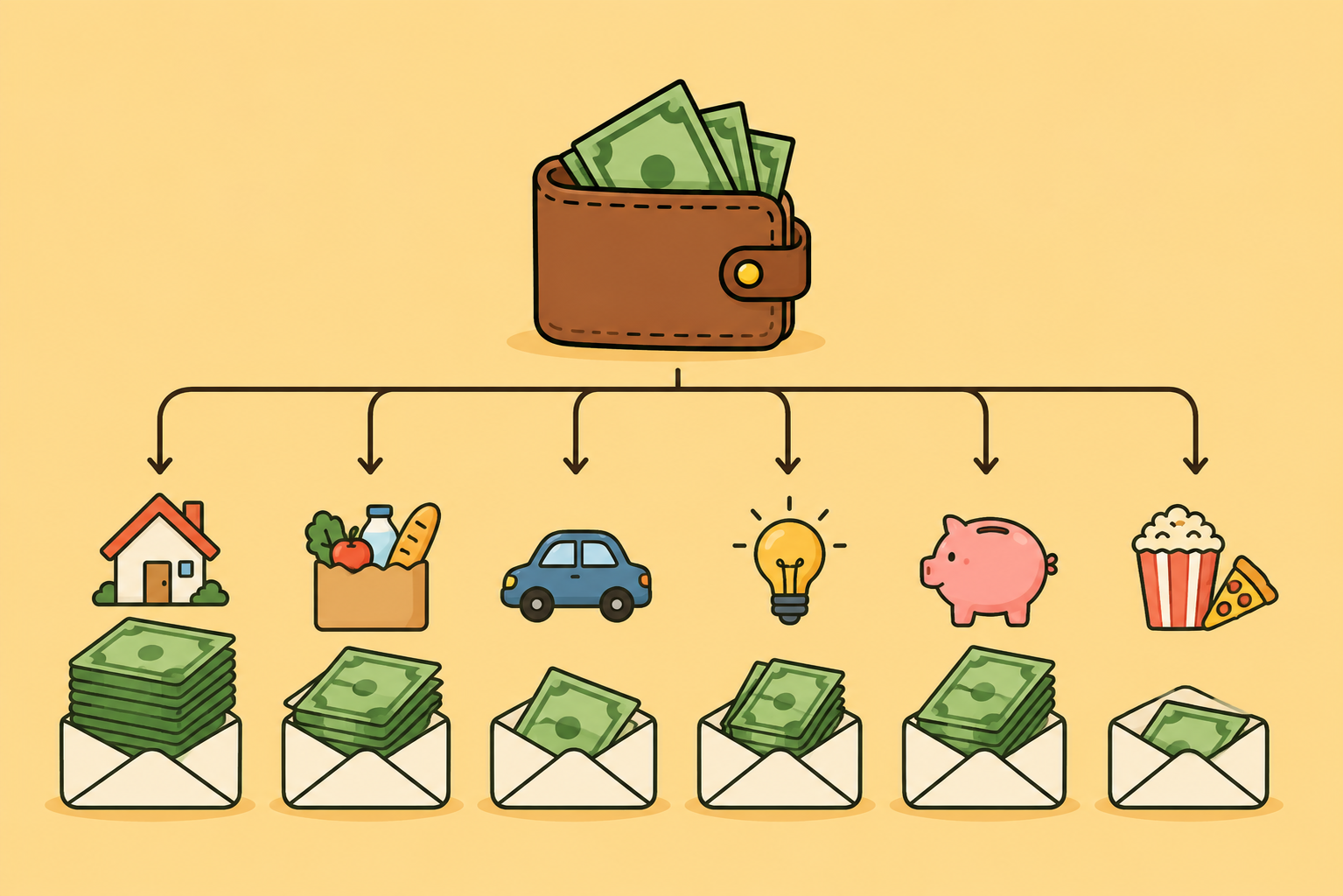
Is it better to rent or buy a house in New Zealand?
Renting can cost less today while buying can offer stability and build equity. Compare your monthly affordability gap and the full cost of each option.
You find a home you like. The weekly mortgage payment looks close to your rent, so buying seems like the obvious next step.
Then you add rates, insurance, maintenance and the cash needed for a deposit. Renting suddenly looks cheaper. But renting can also mean less control over your home and the possibility of having to move.
This is why the question keeps appearing in New Zealand money conversations. There is no answer that works for everyone.
The useful question is not simply, “Which option makes more money?” It is, “Which option fits my finances, timeframe and the life I want?”
This article provides general information. It does not recommend renting, buying a particular property or taking out a mortgage. Your costs, circumstances and priorities will be different.
The short answer
Buying can offer greater stability and control, but it usually requires more cash upfront and responsibility for ownership costs.
Renting can offer greater flexibility and lower upfront costs, but it may provide less control and housing certainty.
Neither choice is automatically a step forwards or backwards.
Housing is taking more from household budgets
This decision feels difficult because both options have become expensive.
Stats NZ reported that average annual household housing costs reached $23,182 in the year to June 2024. That was 31 percent higher than in 2020, while average disposable household income increased by 24 percent over the same period.
Those are national averages. Your experience will depend on your location, household, rent, deposit, mortgage rate and the type of home you are considering. The figures still explain why a choice that once felt straightforward now requires a closer look.
Recent Reserve Bank reporting has also described the national housing market as soft, with prices broadly flat over the previous three years and still below their November 2021 peak. That is a useful reminder that a home price does not rise in a straight line.
Start with the full cost, not one weekly payment
Comparing rent with the mortgage payment alone leaves out important costs.
When renting, your housing costs may include:
1. Rent
2. Contents insurance
3. Electricity, gas, internet and other services
4. Moving costs when a tenancy changes
5. Bond and rent in advance when entering a new tenancy
When owning, your housing costs may include:
1. Mortgage interest and principal repayments
2. Council rates
3. House and contents insurance
4. Repairs and maintenance
5. Body corporate fees where applicable
6. Legal work, reports and other purchase costs
7. Money set aside for larger future work
Part of a mortgage payment reduces the debt and builds equity. That makes it different from rent. However, interest, rates, insurance and maintenance are still costs of living in the home.
The deposit also has a job
A deposit is not just a ticket into the housing market. It is money that could otherwise remain in savings or investments.
Suppose you use $140,000 as a deposit. That money becomes home equity, but it is no longer sitting in an accessible account. Selling, refinancing or borrowing against the home may be required before you can use it again.
This is called an opportunity cost. It does not mean using the money for a deposit is wrong. It means the comparison should consider what the deposit would have done under the alternative plan.
If renting leaves you with $500 more each month but the money is always spent, the financial result will be different from renting and investing that $500 consistently.
Your home is an asset, but it may not create cash
A primary home is an asset. The mortgage attached to it is a liability.
However, that accounting answer does not tell the whole story. A home you live in usually does not pay you an income. Mortgage interest, rates, insurance and maintenance take cash from the household. The equity can also be difficult to use without selling, downsizing or borrowing against the home.
This means a valuable home can increase your net worth while leaving you with less money available each month. An asset can still put pressure on your cash flow.
For financial independence planning, do not automatically treat every dollar of home equity as money available to fund retirement. It only becomes available if your plan includes a realistic way to use it. A mortgage free home may still help by reducing the housing costs you need to fund later.
A simple New Zealand example
Imagine Hana and Peter rent a home for $700 a week. They are considering buying a similar home with a mortgage payment of $850 a week.
At first, the difference appears to be $150 a week. But the owners would also need to allow for rates, insurance and maintenance. Buying would use most of their savings as the deposit.
They compare two possible plans.
In the buying plan, they include the mortgage, rates, insurance and a regular amount for maintenance. They also keep an emergency buffer rather than putting every dollar into the deposit.
In the renting plan, they include the rent and commit part of the difference to a home deposit or investment goal. They do not assume they will save the difference automatically.
The buying plan produces more housing security but less spare cash each month. The renting plan provides more flexibility and a larger cash buffer, but it only builds wealth if they follow through with the planned saving.
There is no universal winner. The value of the example is that both plans are complete.
Find your monthly affordability gap
Income alone does not show whether you can comfortably afford a home. A more useful starting point is the gap between the extra cost of ownership and the money your current budget normally leaves available.
Start with your normal monthly income. Subtract your living costs, debt payments, regular savings and a realistic amount for irregular expenses. What remains is your current monthly surplus.
Next, estimate the full monthly cost of the proposed home. Include the mortgage, rates, house insurance, body corporate fees where relevant and an allowance for maintenance. Subtract the housing costs you already pay, such as rent. The result is the extra amount that ownership would require each month.
Compare the two numbers:
1. Current monthly surplus
2. Extra monthly ownership cost
3. Affordability buffer, which is your surplus minus the extra ownership cost
For example, Fireball shows that Hana and Peter normally have $1,100 left after their spending and planned saving. They estimate that owning would cost $850 more each month than renting. Their affordability buffer is $250.
That is a positive result, but it may not be a comfortable one. The same $250 also needs to absorb repairs, price changes and months when income or spending differs from normal.
If the extra ownership cost is greater than your normal surplus, the plan does not currently fit without changing something. A larger deposit, a less expensive home, higher income or lower spending may close the gap.
Check whether your regular savings are already included in the amount Fireball shows as remaining. For example, if you have $1,100 left each month but want to continue saving $500, only $600 is available for higher housing costs. Decide how much saving you want to continue before treating the rest as your housing buffer.
How long do you expect to stay?
Buying tends to involve more work and expense at the beginning and end. If you may move for work, family or lifestyle reasons soon, renting can preserve flexibility.
If you expect to remain for many years, ownership may offer greater control and reduce the chance that a landlord’s plans force a move.
There is no magic number of years that makes buying worthwhile. The result changes with purchase costs, mortgage rates, rent, maintenance, future prices and what you do with any money saved by renting.
Use a realistic timeframe rather than choosing the period that makes your preferred answer look best.
Do not ignore the lifestyle decision
A home is not only an investment.
Ownership may give you more freedom to renovate, keep pets, establish a garden or create stability for your family. It may also bring responsibility for repairs, rates and unexpected work.
Renting may make it easier to move, live in an area you could not afford to buy in or avoid large repair bills. It can also bring inspections, restrictions and less control over how long you can remain.
These factors are difficult to place in a spreadsheet, but they are still part of the decision.
Test whether buying would leave enough breathing room
A lender deciding that you can service a mortgage does not tell you whether the payment will feel comfortable alongside the rest of your life.
Before buying, ask:
1. What happens if the mortgage rate is higher when the fixed term ends?
2. Will I still have an emergency fund after paying the deposit and purchase costs?
3. Can I cover rates, insurance and normal maintenance?
4. Would the plan still work if one income stopped temporarily?
5. Can I continue saving for retirement and other goals?
6. Is there room for family, health and ordinary enjoyment?
If the plan only works when nothing goes wrong, the home may be affordable to the lender but too fragile for you.
How Fireball can help you compare the two paths
Fireball does not provide a verdict that says rent or buy. It helps you build the financial picture behind the decision using your own information.
Start with the option you live with now. Connect the accounts you use for income and spending, then review the housing transactions Fireball has recognised. This gives you a more realistic starting point than estimating every expense from memory.
You can use Fireball to:
1. See rent and other housing expenses within your categorised spending
2. Review income, categorised spending and the amount left in Cash Flow across several normal months
3. Identify recurring payments and less frequent costs
4. Use your actual monthly surplus as the starting point for an affordability gap
5. Add a property and mortgage to see assets, debt and home equity together
6. Track cash, KiwiSaver, investments, property and debt in net worth
7. Change assumptions in your FIRE Plan and see how the long term projection responds
8. Forecast an eligible account and receive an alert if its projected balance may become low
For a renting scenario, include the rent and the amount you genuinely expect to save or invest.
For an ownership scenario, include the mortgage and the other costs of running the home. Add the property and mortgage only when you are ready to model that position. Do not count home equity as accessible spending money.
Fireball is not replacing a mortgage adviser, lawyer, building inspection or financial adviser. Its role is to help you see whether the everyday money and the longer term plan tell the same story.
Common mistakes that make buying look cheaper
Comparing rent with only the mortgage payment
Add rates, insurance, maintenance and any body corporate fee before deciding that ownership costs the same.
Using every dollar for the deposit
Moving into a home often creates new costs. Keep a suitable cash buffer instead of assuming that equity can solve an urgent bill. (we learnt this the hard way)
Assuming the current interest rate lasts forever
Test a higher repayment as well as the rate offered today. A plan with some spare capacity is easier to maintain.
Treating all mortgage payments as lost money
Interest is a cost, but the principal portion reduces your debt. Separate the two when thinking about how your net worth changes.
Assuming the house will always increase in value
Property prices can remain flat or fall. Buying should still make sense for your life if quick capital growth does not arrive.
Common mistakes that make renting look better
Assuming you will invest every dollar saved
Create an actual recurring contribution or goal. An imagined investment return does not build wealth.
Ignoring future rent changes
Test what the budget might look like if rent rises. Do not assume the current payment remains unchanged indefinitely.
Ignoring the value of stability
The cheapest numerical option may not be the one that suits your family, pets, work or community.
Comparing different homes
Renting an apartment and buying a larger house is not a direct cost comparison. Be clear about how much of the difference purchases a different lifestyle.
Common questions
Is renting a waste of money?
No. Rent pays for a place to live and transfers many ownership costs and risks to the landlord. The important question is what the full renting plan allows you to do with the rest of your income.
Does buying always build more wealth?
No. Buying builds equity as principal is repaid, but the final outcome also depends on interest, ownership costs, property values, the deposit and the alternative use of your money.
What if the mortgage payment is the same as my rent?
Add rates, insurance, maintenance and any body corporate fees. Then compare the extra monthly ownership cost with the surplus Fireball shows across several normal months. A very small buffer may make the plan fragile even when the mortgage and rent look equal. Also separate mortgage principal from interest so you can see both cash flow and wealth building.
Should I wait for house prices or interest rates to fall?
Nobody can reliably tell you the perfect time. Focus on whether the purchase works with today’s known costs and remains manageable under less favourable assumptions.
Can I rent and still reach financial independence?
Yes, but retirement housing costs need to be included in the plan. A renter may need a larger investable portfolio or another strategy for future housing. Fireball lets you set retirement spending assumptions that reflect the life you expect to fund.
Should I buy before having children?
Home ownership can offer stability, but using all your cash and taking on a tight mortgage can create a different kind of pressure. Include the likely change in income and family expenses before deciding.
Choose the plan you can actually live with
Buying can provide security, control and a path to home equity. Renting can provide flexibility, lower immediate costs and more money for other goals.
The stronger decision is the one that still works after you include the costs people prefer to forget.
Open Fireball and start with your real income, spending, savings and commitments. Compare a complete renting plan with a complete ownership plan. Then choose based on your money and your life, not somebody else’s rule.
Sources reviewed
1. Stats NZ, Housing in Aotearoa New Zealand 2025
2. Reserve Bank of New Zealand, Financial Stability Report, May 2026
3. Reserve Bank of New Zealand, debt to income restrictions explained
4. Consumer Protection, mortgages and home loans
5. Tenancy Services, information for new tenants and tenancy rights
Make the next money decision calmer
Turn what you just read into a plan you can track, adjust, and actually live with. Explore our free financial calculators or see how Fireball brings your finances together.