How can you prepare financially for parental leave in New Zealand?
Plan for the income change, not just the baby purchases. Use your actual cash flow to prepare for paid leave, unpaid time and returning to work.

You might have priced a cot, a car seat and a pram. But the bigger financial change may be what stops arriving in your bank account.
From 1 July 2026 to 30 June 2027, New Zealand's maximum government paid parental leave payment is $811.05 a week before tax. That is a cap, not an amount everyone receives, and not the amount available to spend. Your entitlement depends on your earnings and circumstances. Inland Revenue explains how employee payments are calculated.
If your usual pay is higher, your income could drop while many bills stay the same. If you plan to stay home after the payments finish, there is another change to prepare for.
That does not mean you need to have every future expense solved before the baby arrives. Start by understanding the gap between the money you expect and the costs that will continue.
Fireball can help you start with the income, spending and regular payments already recorded in your connected accounts. Instead of building a budget from memory, use that picture to work out what needs to change during leave.
Start with what your household actually spends
Open Cash Flow in Fireball Insights and review several recent months. Look at recognised income and categorised spending to see your spending patterns, then use Recurring to review your fixed or recurring costs.
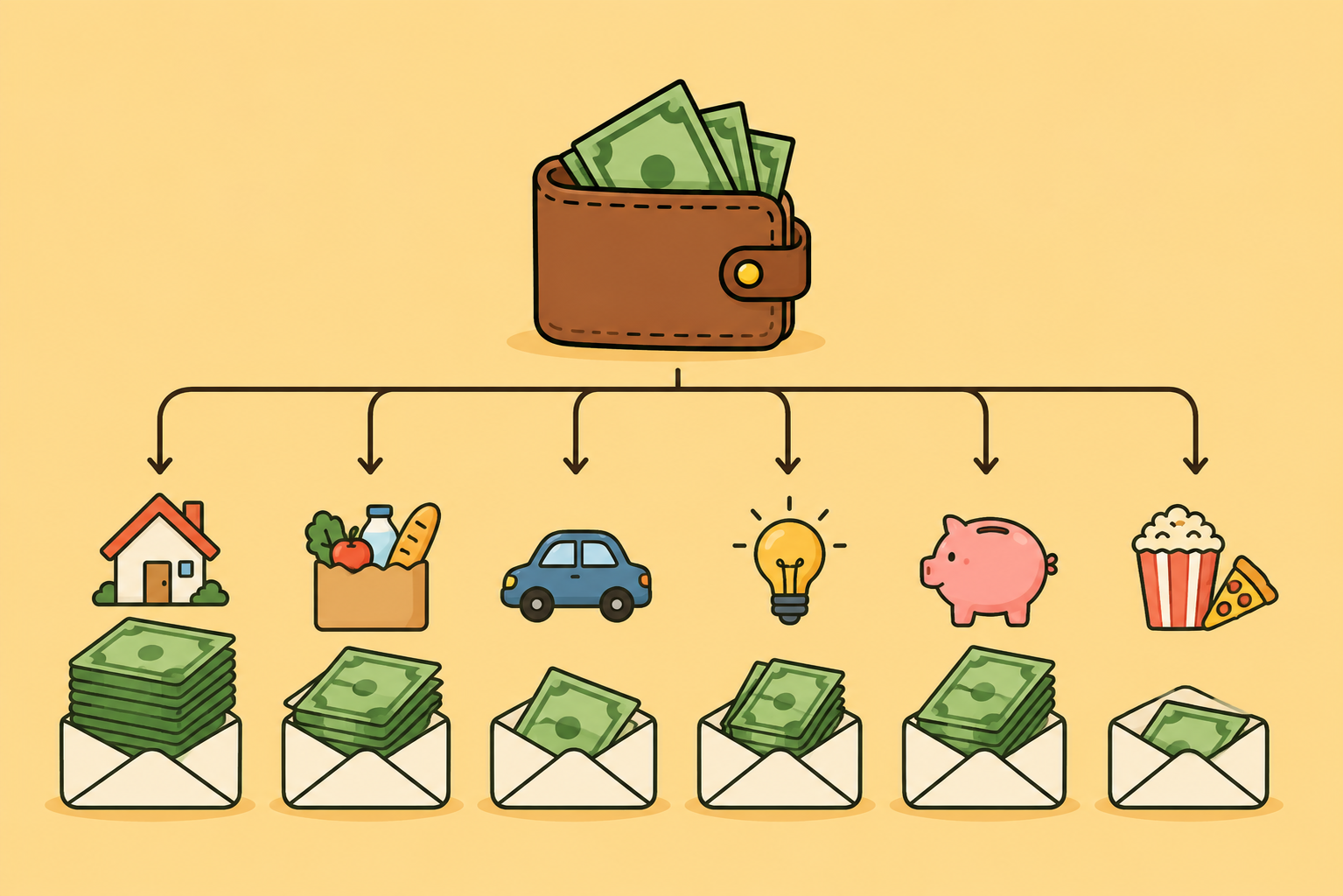
Pay particular attention to housing, groceries, power, insurance, transport and existing debt payments. These are the costs most likely to continue even when work income changes.
A spending total is not a complete list of everything leaving your accounts. Transfers and some financial commitments are treated differently from ordinary spending. Check your mortgage or loan repayments and regular saving separately rather than assuming one chart includes every outgoing payment.
Then ask what will be different. Commuting and work lunches may fall. Heating, laundry, medical appointments and baby supplies may rise. Some changes will be uncertain, so leave room to review the plan instead of trying to predict them to the dollar.
The useful starting point is your household's real costs, not a generic claim about how expensive a baby should be.
Plan for three stages, not one average income
Parental leave can involve several different income arrangements. Treat each stage separately.
While paid leave payments are coming in
Confirm the payment amount after deductions, the first payment date and any employer payments. Do not assume your employer's top up is additional to the government payment. Ask payroll whether it replaces, supplements or includes that payment, and how long it lasts.
Government paid parental leave can run for up to 26 weeks and is paid fortnightly. It is taxable, with applicable deductions taken before the money reaches your account. Check the confirmed dates and net amount rather than multiplying the weekly headline cap into your budget. Inland Revenue's paid parental leave overview explains payment timing and deductions.
After paid leave payments finish
If you plan additional unpaid time, calculate the costs of that period separately. A budget that works with parental leave payments may not work once they stop.
Any other household income or confirmed support still matters. But do not assume a different payment will begin immediately or replace the full amount you lose.
When you return to work
Include childcare, transport and any change in hours. Confirm when the first wages will arrive, not only the date you return.
For example, childcare may need to be paid before the first full pay cycle. Returning to work does not automatically remove the cash gap on the first day.
Time off work and government payments are separate entitlements with different requirements. Confirm leave arrangements with your employer and payment eligibility through the official process. Employment New Zealand explains the distinction.
Work out the gap you actually need to cover
Imagine Alex and Jamie normally bring home $2,000 a week between them. Alex plans to take leave. Their household review suggests they will need $1,700 a week during that time, including everyday costs, regular repayments and money for known annual bills.
For illustration, they expect $1,050 a week from Jamie's wages and $650 a week after deductions from Alex's paid parental leave. The $650 is a made up net payment for this example, not an estimate of anyone's entitlement.
Their position looks like this:
- During paid leave, expected income is $1,700 a week. It covers their planned costs, but leaves no extra margin.
- During eight additional weeks without parental leave payments, expected income falls to $1,050 a week.
- The weekly gap becomes $650. Across eight weeks, that is $5,200.
Suppose they also expect $1,500 of initial baby purchases and want a separate $1,000 allowance for costs they have not anticipated. Their preparation target would be $7,700: $5,200 for the unpaid period, $1,500 for purchases and $1,000 of breathing room.
With 30 weeks to prepare and $2,300 already available for that purpose, the remaining $5,400 would mean saving $180 a week.
These are example amounts, not recommended spending or savings targets. They show how to calculate your own gap. They also assume the expected income arrives on time and no additional support has been included.
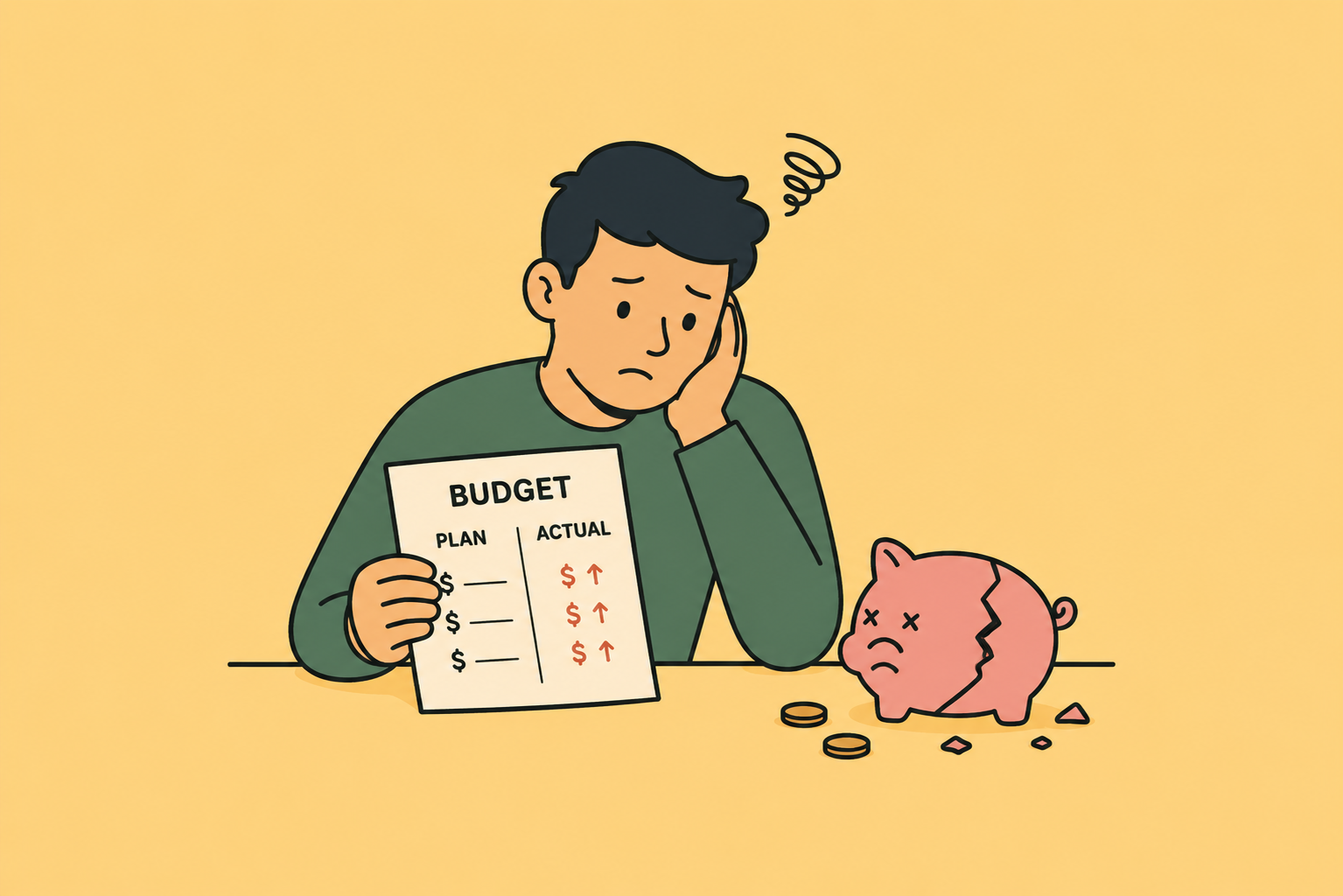
If $180 a week is not affordable, the calculation has still helped. Alex and Jamie can discuss costs, the length of unpaid leave, confirmed support or their work arrangements before relying on a plan they cannot fund. There is no need to pretend the gap disappears because they want the leave to work.
Give the leave money a clear purpose in Fireball
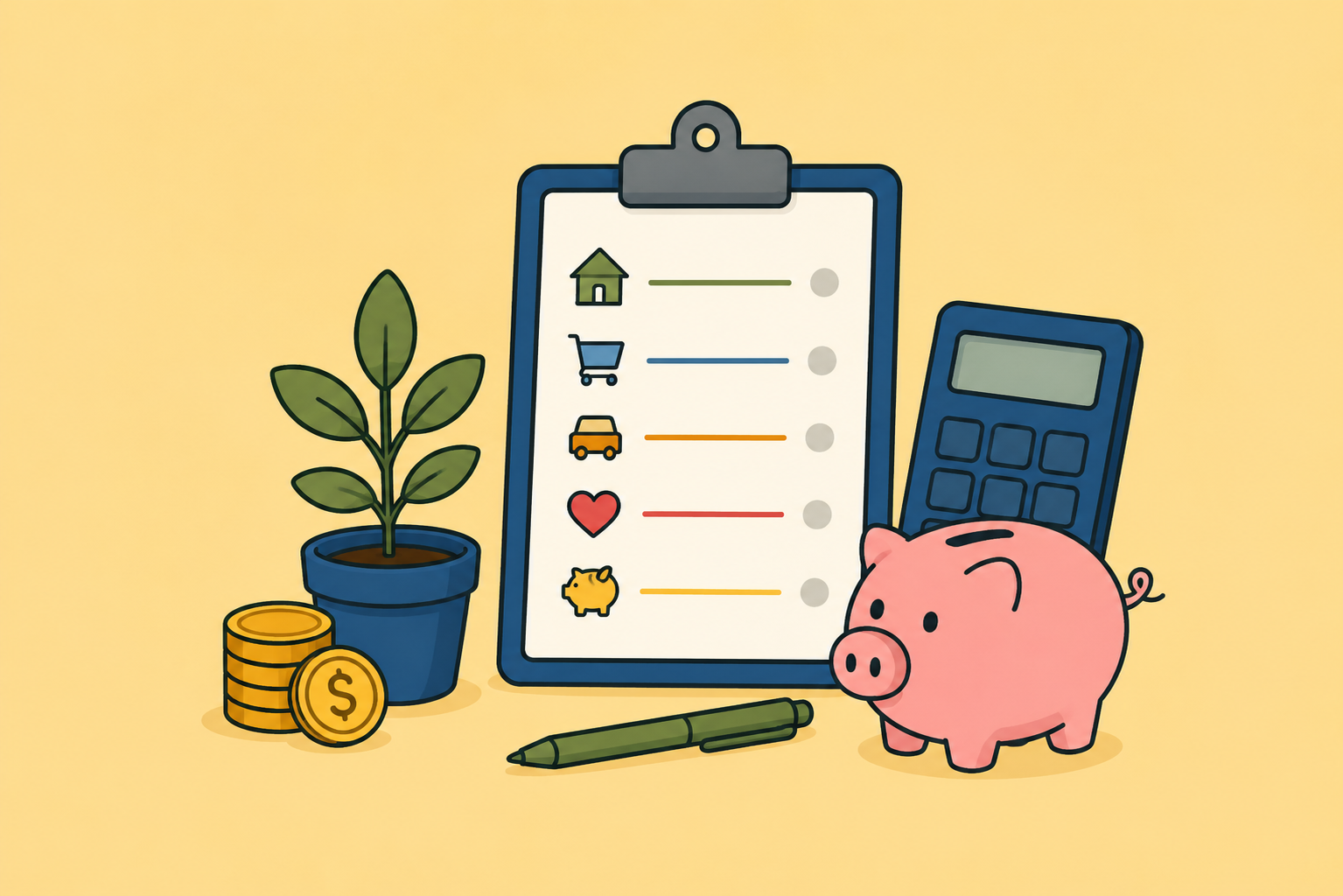
A Save up goal can keep your preparation target visible, with a target date and planned contributions. Give it a recognisable name, such as Parental leave buffer.
Keep the distinction between this money and your general emergency savings clear. The money you expect to use during unpaid leave is planned spending, not an unexpected emergency.
Do not allocate the same $2,000 to both a baby purchase fund and a leave buffer. You can organise the money in one account or several, but it can only pay for one set of costs at a time.
A goal in Fireball helps you track the plan. It does not move money or stop you spending the balance at your bank.
Make sure Fireball is using the income you expect
Fireball can estimate budget income from recent transactions or detected recurring income. That is a useful starting point, but your old salary may no longer describe the period you are planning for.
In Budget income, you can use Adjust this period for a temporary change, or Edit default monthly income when you need a different ongoing planning estimate. Use the money you expect to receive after deductions and check that the amount matches the period you are editing.
An income adjustment changes the budget plan. It does not rewrite your past bank transactions, apply for parental leave payments or automatically change the recurring income used in your account forecast. Changing the default is also not a schedule for several future leave stages. Review it again when your income arrangement changes.
Review recurring income separately, including its expected amount and payday. Do not rely on a forecast that still assumes the old salary will arrive unchanged. Fireball cannot know an employer payment will stop simply because you have decided to take leave.
For more on managing changing income, read How to budget when your income changes every month.
Check the dates around the first and last payments
Even if the totals balance, timing can still leave an account short.
Look closely at the period between your last wages and the first parental leave payment, the final leave payment and any unpaid weeks, and the return to work before your first wages arrive.
For eligible accounts, Fireball's account forecast can help you review expected activity and possible low balances. Check that the recurring details reflect the payments you actually expect. A forecast is an estimate based on available information, not confirmation that a government payment has been approved or will arrive on a particular date.
If the account looks tight, compare the payment dates with rent, loan repayments and other essential bills. A small positive balance today does not necessarily mean that money is available for another baby purchase.
Read How much money is safe to spend before your next payday? for a fuller explanation of this timing problem.
Check support without counting it twice
Best Start and other Working for Families payments may be relevant, but check your actual entitlement before including them as guaranteed income.
For children born on or after 1 April 2026, Best Start is income tested from the first year. The full rate is $77 a week, reducing when family income exceeds $79,000. Best Start cannot be received at the same time as paid parental leave. If eligible and registered for both, it starts after parental leave payments stop. Inland Revenue's Best Start guide explains the current rules.
Use the confirmed amount and timing. Do not budget for both full parental leave pay and Best Start during the same weeks, or assume a temporary drop in wages means you automatically receive the maximum support.
KiwiSaver deserves a check too. Contributions from government paid parental leave are optional. Inland Revenue currently makes a 3.5 percent employer contribution if you choose KiwiSaver deductions from those payments. Continuing contributions reduces the cash available to spend, while stopping them affects what reaches your retirement savings. Check Inland Revenue's KiwiSaver information before making changes, particularly if a first home purchase is part of your plans.
Fireball helps you see the household effect of confirmed payments. It does not calculate your government entitlement or choose the right tax code for you.
What if the plan still does not fit?
Start with the gap, not a judgement about whether you should be able to afford a baby.
Separate essential purchases from things you can delay. Confirm employer arrangements and support rather than assuming them. Discuss any change to bills or repayments directly with the provider before relying on it.
If essential costs still exceed confirmed income and available savings, seek support early. Inland Revenue can clarify payment questions, your employer can clarify leave arrangements, and an independent financial mentor can help review the household budget. A budgeting app can make the pressure visible, but it cannot create income that is not there.
For a couple, revisit how costs and personal spending will be covered while one person is doing more unpaid care. Our guide to splitting bills with different incomes covers that conversation separately.
Common questions
How much should I save before parental leave?
There is no universal amount. Add the expected shortfalls across each leave stage, initial purchases and a separate allowance for uncertainty. Subtract money already available for those purposes. Then check whether the remaining target is achievable before leave begins.
Can I budget using the maximum parental leave rate?
Not as money available to spend. The maximum is before tax and your entitlement may be lower. Use your confirmed payment after deductions, including its actual payment dates.
Why does Fireball still show my old income?
An estimate based on previous transactions can reflect the salary you used to receive. Review the budget income estimate and recurring income separately. If the recorded bank data itself is wrong or out of date, use the bank data help article or contact support rather than changing real transactions to force a different result.
Do I need to stop saving for everything else?
Not automatically. Review which commitments can continue with the income available and which need a temporary change. Do not count regular saving as affordable while also relying on withdrawing that same money to pay everyday bills.
Prepare for the change, then keep the plan flexible
The most useful parental leave budget is not a perfect list of baby products. It is a clear view of what happens when wages change, when support starts and stops, and what your household needs between those dates.
Fireball brings recorded income, spending, recurring commitments and savings goals into that conversation. Start with the information already there, adjust the assumptions you know will change, and review the plan as actual payments and costs arrive.
Try Fireball to spend less time rebuilding the numbers and more time preparing for the life change ahead.
This article provides general budgeting information only. It is not personalised financial, tax or employment advice and does not determine your payment eligibility. Payment information was checked on 15 September 2026. Rates and rules can change. Confirm your entitlements and arrangements with Inland Revenue and your employer, and seek qualified advice when needed.
Make the next money decision calmer
Turn what you just read into a plan you can track, adjust, and actually live with. Explore our free financial calculators or see how Fireball brings your finances together.