Fireball vs YNAB (2026): Which Budgeting App Suits New Zealanders?
Fireball and YNAB compared for New Zealand on bank connections, budgeting style, KiwiSaver and FIRE planning, mortgages, sharing and price, with who each app suits.

YNAB suits New Zealanders who want to assign the money they already have to spending and savings categories, and are comfortable entering transactions or importing bank files. Fireball suits New Zealanders who want supported local bank feeds on a Paid plan, a choice of budgeting methods, and dedicated KiwiSaver and financial independence projections.
Disclosure: Fireball publishes this comparison and is one of the apps compared. This is general information, not personal financial advice.
How we compared: We used Fireball product documentation and YNAB’s official pricing, feature and help pages. The focus is everyday budgeting in New Zealand, bank connections, household access and longer term planning. Sources were reviewed on 19 October 2026. Examples are illustrative, rather than results from a controlled test. Check current plan terms before subscribing.
Fireball vs YNAB at a glance
| Fireball | YNAB | |
|---|---|---|
| Made for | New Zealand, with Australia coming soon | Global, priced in US dollars |
| Automatic NZ bank feeds | Yes, through Akahu, on the Paid plan | No. Enter transactions yourself or import a file |
| Budgeting style | Single, Category or Flex, with optional zero based planning | Zero based: give every dollar a job |
| KiwiSaver and NZ Super | Built into the FIRE plan | Track KiwiSaver as a balance you update yourself |
| FIRE number and date | Yes, with a stress test across 5,000 market outcomes | No dedicated FIRE or retirement projection |
| Mortgage and property | Linked to net worth, with home equity kept separate from FIRE wealth | Loan accounts with payoff and extra payment tools |
| Sharing | Viewer or Editor access with separate logins | YNAB Together: up to six people share one subscription |
| Multiple currencies | One picture across currencies | A separate plan for each currency |
| Free plan | Yes, with manual accounts | No, a 34 day free trial |
| Paid price | $10.99 NZD a month or $99 NZD a year | US$14.99 a month or US$109 a year |
What is the main difference between Fireball and YNAB?
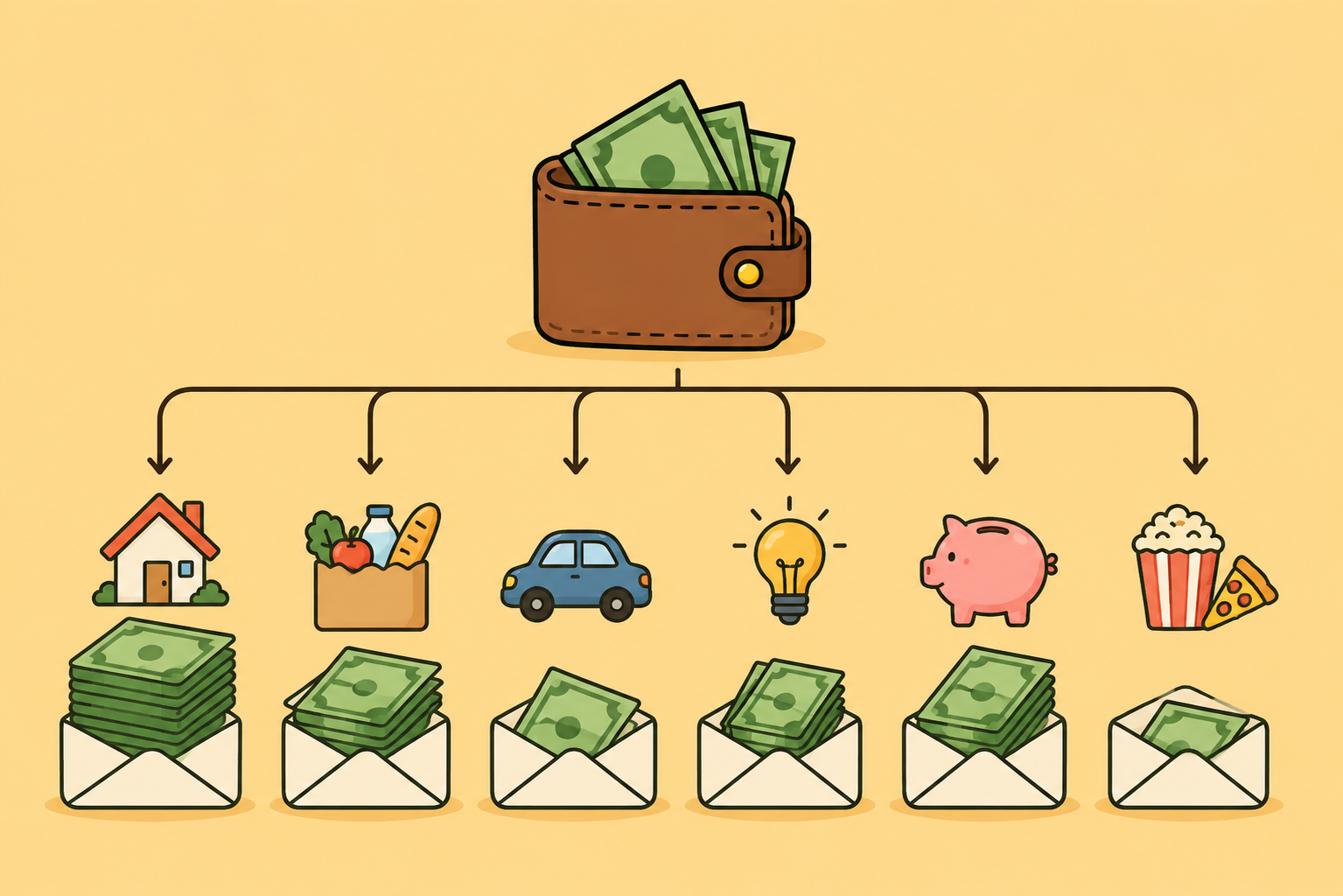
YNAB is a budgeting method with an app attached. It teaches you to assign every dollar you have right now to a job, and it works best when you review and reconcile your accounts often.
Fireball is a budgeting app connected to a longer plan. It handles everyday spending, then uses your real savings rate, KiwiSaver, property and debts to show your financial independence number and the date you are on track to reach it. You can also use Fireball purely for budgeting and ignore the FIRE tools.
Does YNAB work with New Zealand banks?
YNAB does not offer direct import for New Zealand banks. Its official pricing and bank import FAQ lists supported regions as the US, Canada, the UK and the EU. New Zealand customers can enter transactions manually or import supported bank files.
Many YNAB fans like manual entry because it makes them notice every purchase. If you would rather your balances and transactions arrive on their own, that is the biggest practical difference for New Zealanders.
Fireball connects to supported New Zealand banks and financial institutions through Akahu, a New Zealand open finance provider. Access is read only, so Fireball cannot move money, and it never sees your bank password. Automatic bank sync is part of the Paid plan. The Free plan works with accounts you enter yourself.
Which app has the better budgeting method?
It depends on how you like to budget.
YNAB’s getting started guide teaches you to assign money you already have to specific priorities. You can reserve funds for irregular expenses and move money between categories when plans change. This suits people who want to review category balances and make those decisions themselves.
Fireball offers three modes so the budget can match how you think:
- Single: one total spending limit for the period.
- Category: limits for groceries, transport, eating out and so on.
- Flex: an allowance based on your income after fixed costs.
You can turn on zero based planning in Fireball if you want every dollar assigned. Budgets can follow weekly, fortnightly or monthly pay periods, which suits how most New Zealanders are paid. You can also set a savings and investing target and set aside chosen debt payments.Fireball’s Safe to Spend estimates what remains before your next payday after the bills, goal reserves and chosen debt payments included in your budget. Review the underlying amounts and dates, because missing or changed payments can affect the result.
Example: deciding what is left after payday
Imagine you receive $2,400 for a fortnight. You need $1,300 for housing and bills, $350 for groceries, $250 for transport and other essentials, and want to reserve $200 for an annual expense. That leaves $300 before any other commitments.
In YNAB, you would assign the $2,400 already received to those categories. Your category balances show what is available, and you can move money between them when plans change. YNAB’s getting started guide explains this approach.
In Fireball, review the income, recurring payments and categories from your supported connected accounts, then include your planned reserves in the budget. Safe to Spend helps you check the amount remaining until payday. Automatic bank feeds require Paid.
This is an illustrative budget, not a promise that either app will identify every cost or produce identical totals without setup.
Which is better for FIRE, early retirement and KiwiSaver?
Fireball includes dedicated FIRE and KiwiSaver projections. YNAB focuses on assigning available money to priorities, with targets for future expenses and savings. Its published feature list does not include a dedicated FIRE number, retirement date or NZ Super projection.
Fireball calculates your FIRE number and projected date from your real figures. It models KiwiSaver, including when you can access it, and NZ Super assumptions. It tracks standard, Lean, Fat, Coast and Barista FIRE, and it can stress test standard FIRE against 5,000 possible market outcomes through your chosen life expectancy. An After retirement mode shows your withdrawal rate and the spending your investments are estimated to support once you stop work.
These results are planning estimates, not guarantees or advice. If you are new to the idea, read what FIRE means or try the FIRE calculator.
How do they handle mortgages, property and net worth?
Both apps show net worth, but they treat your home differently.
YNAB’s loan account tools track repayment progress and model the effect of extra payments. Property and investments can sit in tracking accounts, with balances maintained manually where automatic updates are unavailable.
Fireball links your property to its mortgage, models repayments and interest, and keeps the equity in the home you live in separate from the investable wealth that funds your FIRE plan. That matters because you cannot spend your house while you live in it. Joint accounts can be counted at your share, so a mortgage you hold with a partner does not double your debt.
How much do Fireball and YNAB cost in New Zealand?
| Fireball | YNAB | |
|---|---|---|
| Free option | Free plan for manual accounts | 34 day free trial |
| Monthly | NZ$10.99 for Paid | US$14.99, plus applicable tax |
| Yearly | NZ$99 for Paid | US$109, plus applicable tax |
| Household option | Family: NZ$16.99 monthly or NZ$149 annually for five people in total | Included: up to six people in total |
YNAB’s official pricing page lists US$14.99 monthly or US$109 annually, plus tax where applicable. Your NZD cost depends on the exchange rate and any card conversion fees. Fireball Paid is listed here at NZ$10.99 monthly or NZ$99 annually; check Fireball’s current pricing for offers and eligibility.
Eligible new Fireball customers on the web may get a 14 day Paid trial, and current introductory offers may reduce the first year. Fireball's Pays for Itself Guarantee also lets you request a refund of your first web subscription charge within 30 days if Fireball has not found savings worth more than it costs. Check the pricing section for current terms.
Can couples and families share Fireball or YNAB?
Fireball and YNAB both support household sharing, but sharing access to finances and sharing the cost of a subscription work differently.
YNAB Together lets up to six people share one subscription. Each person has their own login, and plans can be shared between them.
Fireball lets you invite trusted people with their own verified logins and choose their access. A Viewer can see your shared finances. An Editor can also update ordinary records, such as recategorising a transaction. Bank connections, billing and security stay with the account owner. Fireball Family gives you and four more people full Fireball, each with their own private finances.
Which app handles multiple currencies better?
Fireball combines accounts held in different currencies into an overall view, while retaining each account’s original currency. Converted totals depend on the exchange rates used.
YNAB’s multiple currency guide recommends a separate plan for each currency. If you hold both NZD and foreign currency accounts, consider whether separate plans or a combined view would be easier to maintain.
What should you check during the YNAB or Fireball trial?
Try a normal payday and bill cycle in each app. Check how long it takes to update your accounts, whether you understand the money available for each priority, and what happens when a bill changes. For YNAB in New Zealand, include the time needed for manual entry or file import. For Fireball, check that your institutions are supported and that the detected income and payments match your expectations.
Should you choose Fireball or YNAB?
Choose YNAB if:
- You want a proven zero based method with lots of teaching material.
- You like entering transactions yourself, or do not mind importing bank files.
- You want one subscription shared across a large household.
Choose Fireball if:
- You want automatic feeds from New Zealand banks.
- You want a budget that follows weekly, fortnightly or monthly pay and shows what is safe to spend.
- You want KiwiSaver, NZ Super, your mortgage and your savings rate turned into a FIRE number and date.
- You want to start free and pay in New Zealand dollars.
For a side by side feature table, see Fireball as a YNAB alternative.
Common questions
Is YNAB available in New Zealand?
YNAB is available in New Zealand, with subscriptions priced in US dollars. New Zealand bank transactions need manual entry or supported file import because YNAB’s direct import does not cover New Zealand banks.
Does YNAB connect to ASB, ANZ, BNZ, Westpac or Kiwibank?
YNAB does not offer direct import for ASB, ANZ, BNZ, Westpac or Kiwibank. Fireball offers connections to supported New Zealand institutions through Akahu on Paid. Confirm support for your particular account before choosing an app.
Is Fireball a good YNAB alternative in New Zealand?
Fireball suits New Zealanders who want automatic bank feeds, flexible budgeting with optional zero based planning, and a FIRE plan that includes KiwiSaver and NZ Super. If you want YNAB's exact method and manual entry, YNAB remains a strong choice.
Can I do zero based budgeting in Fireball?
Fireball offers optional zero based planning to assign income across spending, savings and investing. Single, Category and Flex budgets are also available, so you can choose how much detail to manage.
Is Fireball cheaper than YNAB?
Fireball Paid is listed at NZ$99 annually, while YNAB is US$109 annually, plus tax where applicable. Convert YNAB’s price using your card’s exchange rate and fees to compare the actual NZD cost. Fireball also has a Free plan for manual accounts.
Does YNAB help with FIRE or early retirement?
YNAB helps you save consistently, which supports any long term goal, but it does not calculate a FIRE number, a retirement date or KiwiSaver projections. Fireball is built to do that.
Is it safe to connect my bank to Fireball?
Fireball uses Akahu for read only access, so it cannot move money or make payments, and it never stores your bank password. Read how Fireball uses your bank data for the details.
Summary
YNAB suits people who want to assign available money to specific priorities and regularly review category balances. Fireball suits New Zealanders who want supported bank feeds on Paid, several budgeting styles and dedicated FIRE planning. Choose based on the workflow you can keep using, the accounts you need and the total subscription cost.
Prices checked 19 October 2026. Fireball publishes this comparison and is included in it.
Make the next money decision calmer
Turn what you just read into a plan you can track, adjust, and actually live with. Explore our free financial calculators or see how Fireball brings your finances together.