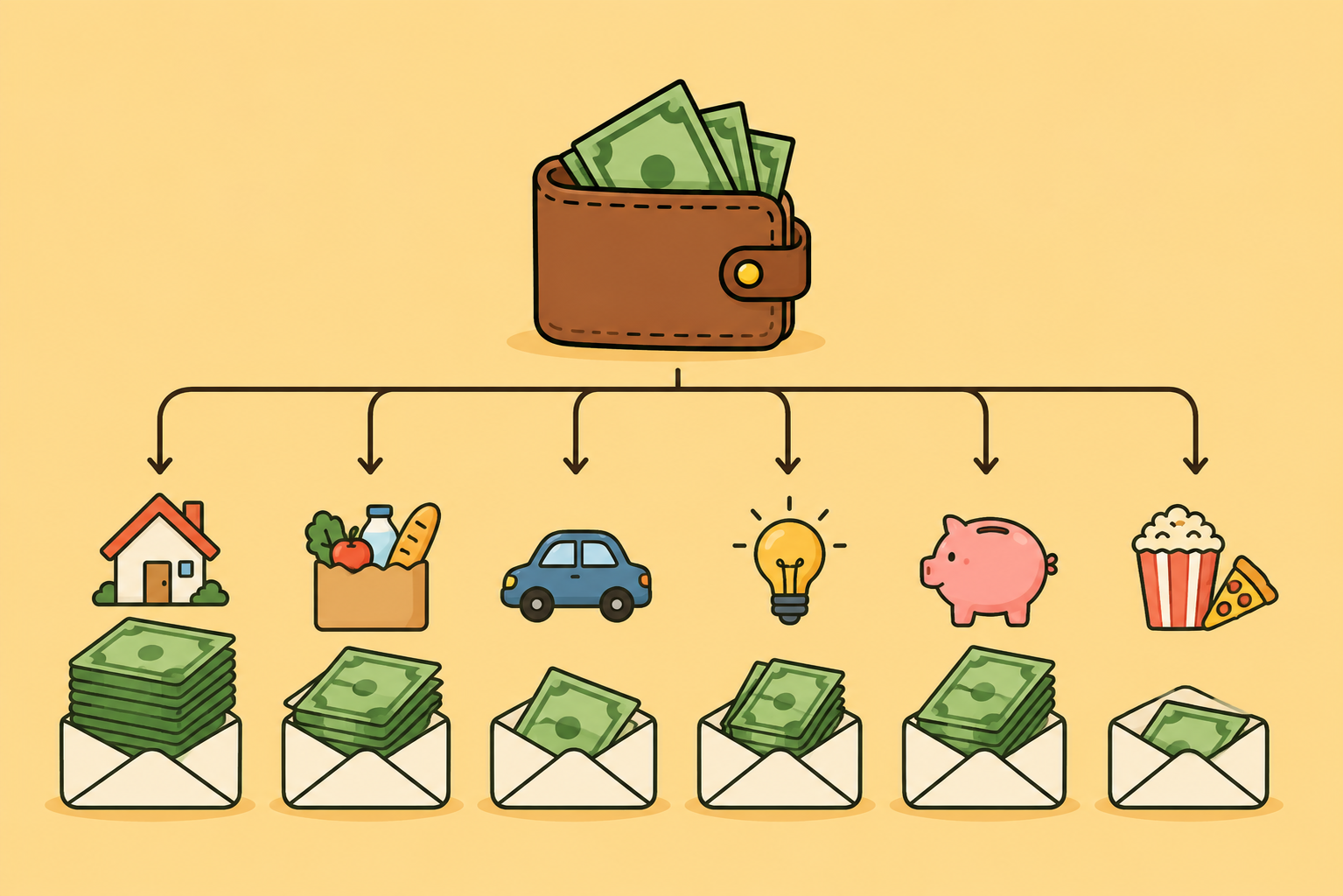
How can you stay on top of your bills as the cost of living rises?
See how Fireball helps you organise recurring bills, understand rising costs and spot a possible account shortfall before the next payday.
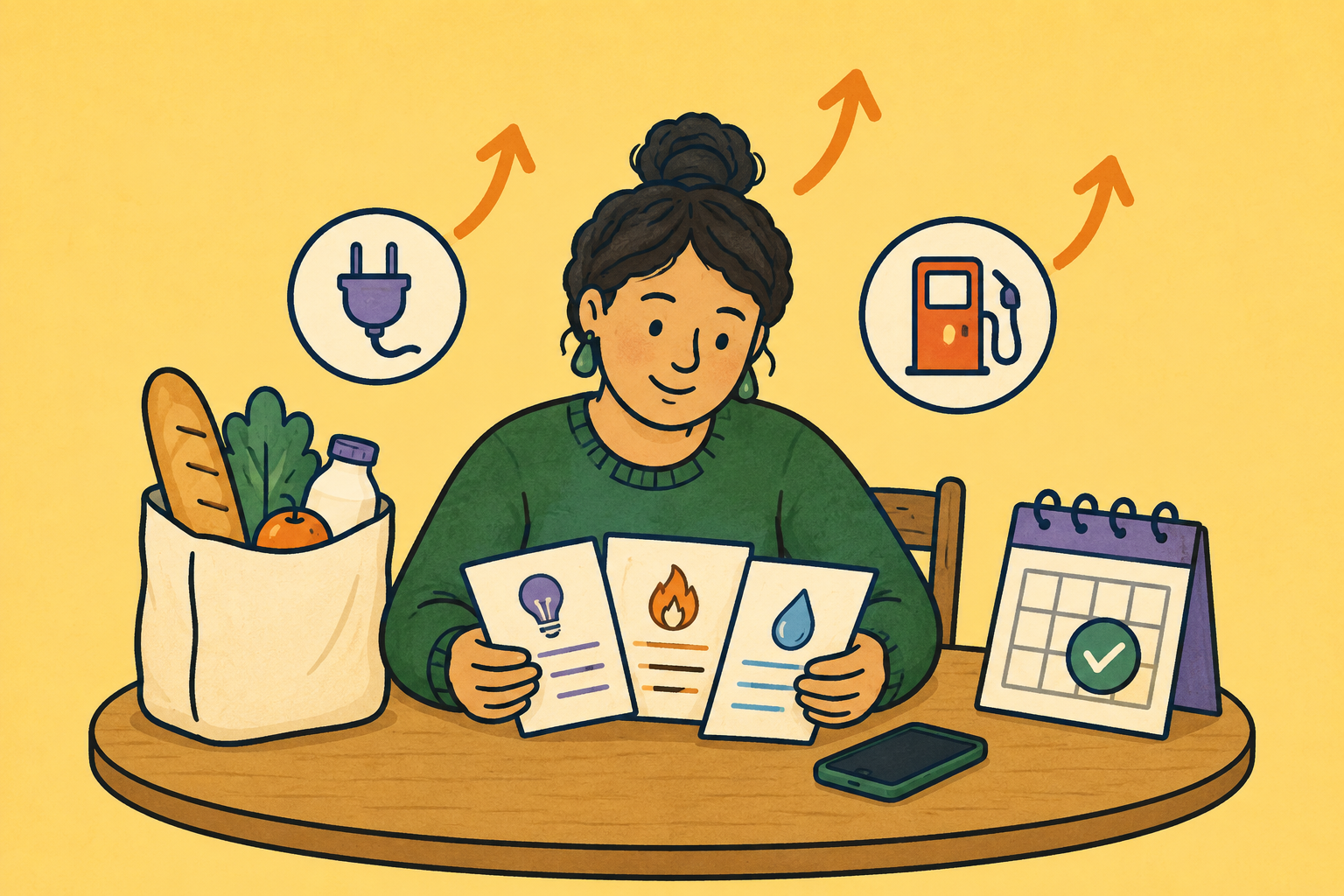
Imagine payday arrives with the same income as last month. Rent is covered, but the power bill has increased, the supermarket shop costs a little more and filling the car takes a larger bite from what is left. No single change looks enormous. Together, they can remove the breathing room from your account.
That pressure is showing up in the national figures. Stats NZ reported that consumer prices rose 4.1 percent in the year to the June 2026 quarter. Electricity prices rose 12 percent, local authority rates rose 8.8 percent and food prices rose 2.5 percent. More than 80 percent of the items in the consumer price basket increased in price.
These are national averages, so your own bills may have changed by more or less. But they help explain why a budget that worked a year ago may now feel too tight even when your habits have not changed much.
Staying on top of bills does not mean remembering every payment yourself. It means knowing what is expected, noticing when something changes and seeing early if the money may not stretch to the next payday.
Fireball can organise much of that information from your connected accounts. It looks for recurring income and charges, brings them into your financial picture and helps you review what is likely to happen next.
Start with what Fireball already knows
After you connect the accounts you use for income and bills, Fireball looks for repeating activity. A regular rent payment, electricity bill, insurance premium or subscription may appear as a recurring charge for you to review.
Confirm only the suggestions that represent genuine recurring payments. A one off purchase from the same merchant should not become a bill you expect every month.
Once confirmed, recurring charges are included in Activity and Budget. This means you can see regular commitments without building a separate bill list from scratch.
Fireball may also detect recurring income. Review the amount and timing before relying on it, particularly if your hours or pay change.
Check what is due before the next payday
A monthly budget can look affordable even when several bills leave the account within the same few days. Timing matters as much as the total.
Before payday, review:
1. The income Fireball expects to arrive.
2. The recurring charges expected before the following payday.
3. Essential spending that varies, including groceries, transport and medication.
4. Any unusual cost that may not appear in recurring activity.
5. The estimated balance for an eligible connected account.
Imagine Hana receives $1,050 every fortnight. Rent leaves the account the following day. Power and car insurance are then due in the same week.
Fireball can show the recognised pay and recurring charges together. Hana can see that the three bills are close together before assuming the remaining account balance is safe to spend.
If a school payment is also due but has not happened before, Fireball may not know about it. Hana still needs to include that new information in her decision.
Notice when a regular bill has changed
A small increase can be easy to miss when a payment still comes from the same company. Several increases together can remove most of the breathing room from a budget.
When a recurring charge needs review, check:
1. Whether it is still a real household commitment.
2. Whether the amount reflects the latest payment.
3. Whether the expected frequency is correct.
4. Whether the next payment date still looks reasonable.
Use newer details when the latest transaction reflects the bill you now expect. Keep the existing details only when the different payment was unusual.
Do not reduce a saved bill amount merely to make the budget look more comfortable. The useful number is the amount that is most likely to leave the account.
Use Cash Flow to understand the pressure
It is easy to feel that everything costs more without knowing which changes are having the greatest effect.
Cash Flow in Insights compares recognised income with categorised spending for the selected month. Compare several months to see whether household costs are taking a larger share of your income.
Categories can show whether areas such as groceries, utilities or transport have increased. Top Merchants can then help explain which providers or shops account for the spending.
One expensive month does not always mean a lasting increase. Check whether the month included an annual premium, a repair or another unusual payment before changing the whole budget.
Use the account forecast as an early warning
Eligible connected accounts can show an estimated balance between 3 and 30 days ahead. This estimate uses the activity Fireball knows about, including recognised recurring income and charges.
Choose a safety amount for the Projected low balance alert. If the estimated balance may fall below that amount, Fireball can warn you before the account reaches zero.
The forecast is not a guarantee. It can change when income arrives late, a bill changes, a new expense appears or a recurring item is missing. Treat the warning as a reason to check the details and act early.
For Hana, a warning before the insurance payment gives her time to review the expected transactions. She may decide to delay a flexible purchase, move available money between her own accounts or contact a provider about the payment date.
Fireball shows the situation. Hana still chooses the response that suits her household.
Give less frequent bills a place in the plan
Not every important bill arrives monthly. Car registration, servicing, school expenses, rates and annual insurance can be forgotten during an ordinary week.
Review recent transactions for larger costs that happened earlier in the year. A previous payment can remind you that the cost may return, even when Fireball does not yet have enough evidence to treat it as recurring.
If there is money left after current essentials, put a small amount towards the next known cost. For example, saving $10 each fortnight for a registration due in ten fortnights gives you $100 towards the bill. You may not cover the entire amount, but you will have less to find when it arrives.
What if several bills arrive together?
Start with the payments that protect housing, essential utilities, health and your ability to earn income. Then consider which remaining payments have flexibility.
Use Fireball to see the amounts and timing together rather than making the decision from memory. If the account forecast still shows a shortfall, contact the relevant provider before the payment is missed and ask what options are available.
Changing a payment date may help with timing, but it does not reduce the total cost. Check the following pay period as well so the problem is not simply moved into the next week.
What if income no longer covers the bills?
If essential costs are greater than dependable income, the budget has identified a real shortfall. It has not failed.
Do not hide the problem by deleting a bill from recurring activity or entering income that may not arrive. Fireball should reflect what is likely to happen so you can see the size and timing of the gap.
The next step may involve reducing a cost, changing a payment arrangement, checking available assistance or getting financial mentoring. Fireball can make the shortfall visible, but it cannot change a provider's terms or decide which obligation has the greatest consequence for your household.
If a bill is missing or looks wrong
Fireball has not detected the bill
New bills and payments with an inconsistent amount or schedule may need more transaction history. Check that the relevant account is connected and current. You can also add or review recurring activity manually when needed.
The amount is no longer correct
Open the recurring charge and compare its saved details with the latest genuine payment. Use the newer details when they represent the amount you now expect.
A one off purchase appears as recurring
Dismiss or exclude the suggestion. Confirming only genuine bills keeps Activity, Budget and the account forecast more useful.
The payment date looks wrong
Check whether the provider changed the date or whether the last payment was early or late. Update the recurring details only when the new timing is expected to continue.
The forecast still looks too comfortable
Look for new expenses, flexible spending and irregular costs that Fireball cannot know about yet. A forecast based on incomplete recurring activity may overstate the money likely to remain.
A short routine for staying ahead of bills
Once a week, or shortly before payday:
1. Review new recurring charges that need confirmation.
2. Check the income and bills expected before the next payday.
3. Look at the account forecast and any Projected low balance warning.
4. Open Cash Flow if spending has increased unexpectedly.
5. Correct any amount, date, category or recurring item that is wrong.
6. Act early if the account may become tight.
You do not need to inspect every purchase. Focus on new activity, changed bills and anything likely to affect the next pay period.
Common questions
How can I keep track of all my bills?
Connect the accounts used for your income and household payments. Review the recurring charges Fireball detects and confirm the genuine ones. Activity, Budget and the account forecast can then use those commitments without requiring a separate manual list.
Can Fireball tell me when a bill has increased?
Fireball uses transaction history to identify recurring activity and lets you review newer details. Compare the latest genuine payment with the saved amount before updating it. Cash Flow can also help you see whether a spending category has increased across several months.
Can Fireball predict every upcoming bill?
No. The forecast can only use the accounts, transactions and recurring activity Fireball knows about. A new, irregular or recently changed bill may not appear until there is enough information or you add the missing context.
What should I do when a bill is due before payday?
Check the expected account balance and the other essential payments due during the same period. If there may not be enough money, contact the provider early. Moving a payment date can help with timing, but always check how the change affects the next pay period.
Staying informed gives you more choices
Rising costs are harder to manage when every change arrives as a surprise. Fireball helps you see regular income, recurring bills, spending patterns and the estimated account balance in one place.
That does not remove the pressure of higher prices. It gives you more time to understand what changed and decide what to do before the account becomes tight.
Related reading
How to budget on a low income in New Zealand when money is tight
How to Budget When Your Income Changes Every Month
Do You Actually Know How Much You're Saving?
The beginner's guide to budgeting
Make the next money decision calmer
Turn what you just read into a plan you can track, adjust, and actually live with. Explore our free financial calculators or see how Fireball brings your finances together.